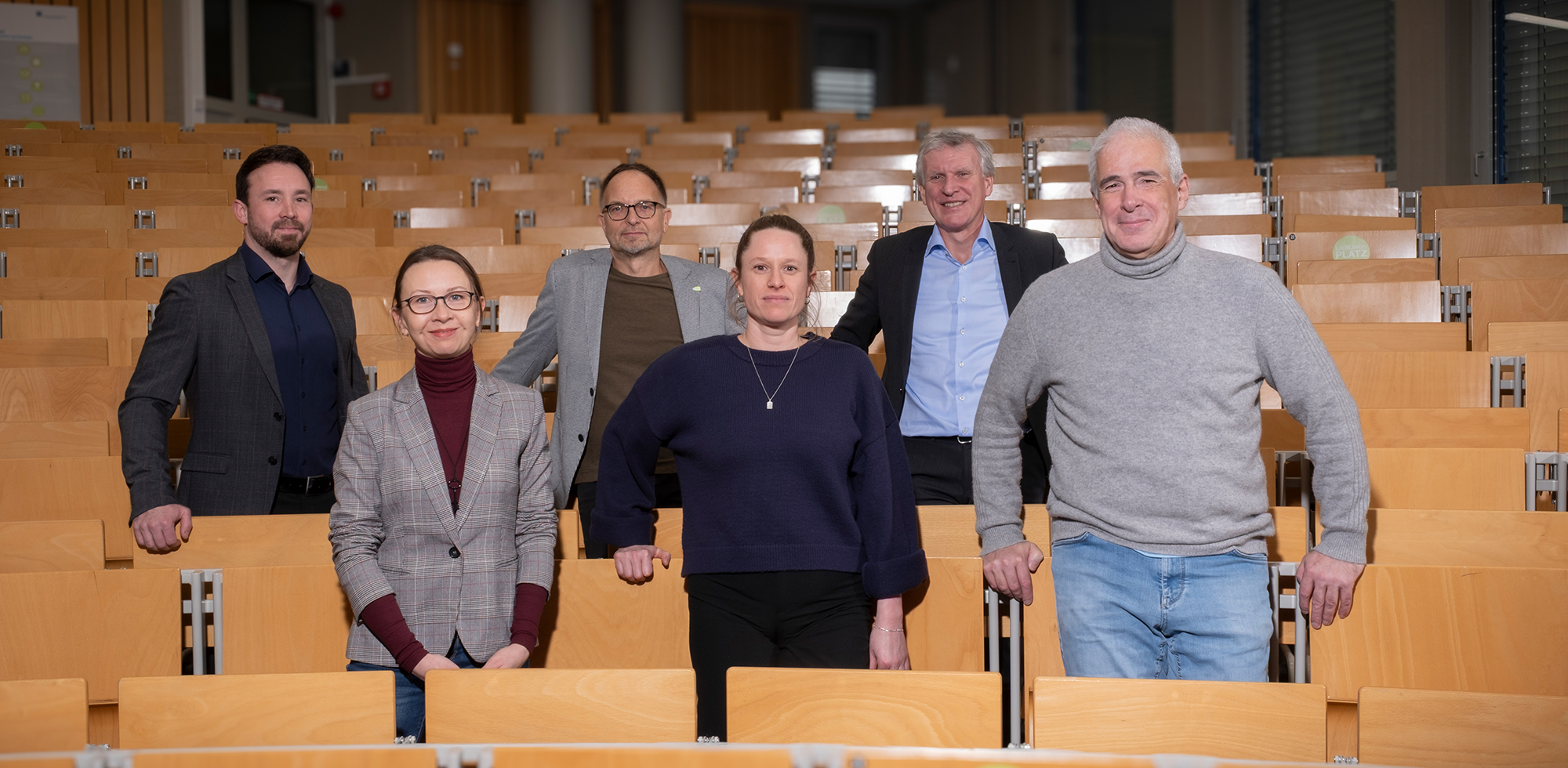


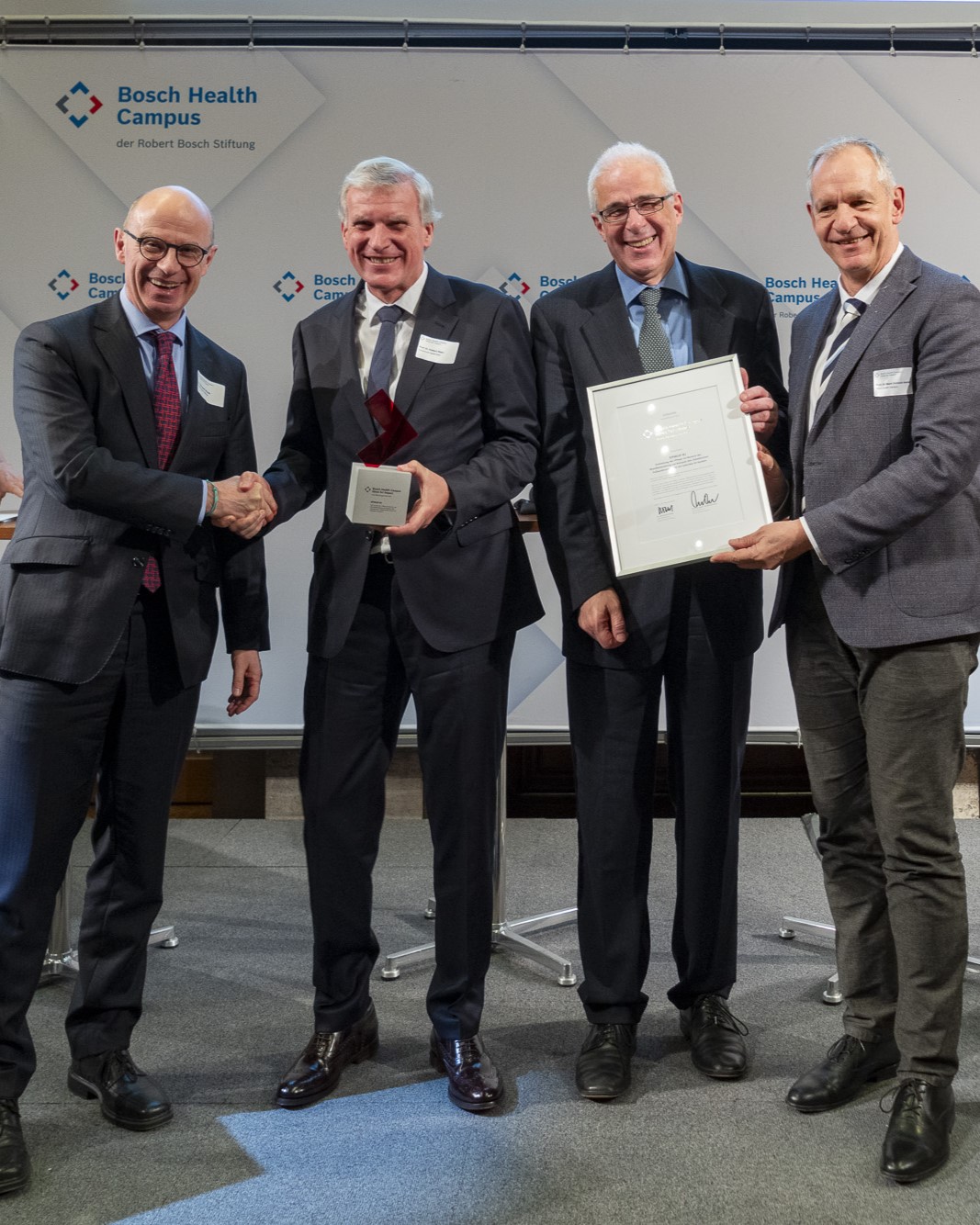
In Germany, almost 9 million people suffer from diabetes mellitus - with sometimes severe secondary diseases such as diabetic foot syndrome. In the worst case scenario, this can lead to amputations. To prevent this from happening, researchers from the EPWUF-KI project have developed an innovative system that uses sensor technology and AI to demonstrably improve wound care and at the same time relieve the burden on carers. For this achievement, the team led by project manager Professor Dr Hubert Otten from The Hochschule Niederrhein (HSNR) in Krefeld has been awarded the "Ideas for Impact" 2026 healthcare prize, which is endowed with 100,000 euros.
Professor Dr Mark Dominik Alscher, Managing Director of the Bosch Health Campus: "The project offers a tailor-made solution for a widespread disease. The AI-based system has a clearly recognisable benefit for patients, carers and doctors alike and thus contributes to improving healthcare on several levels. That convinced the jury."
A project with hands and feet - and brains
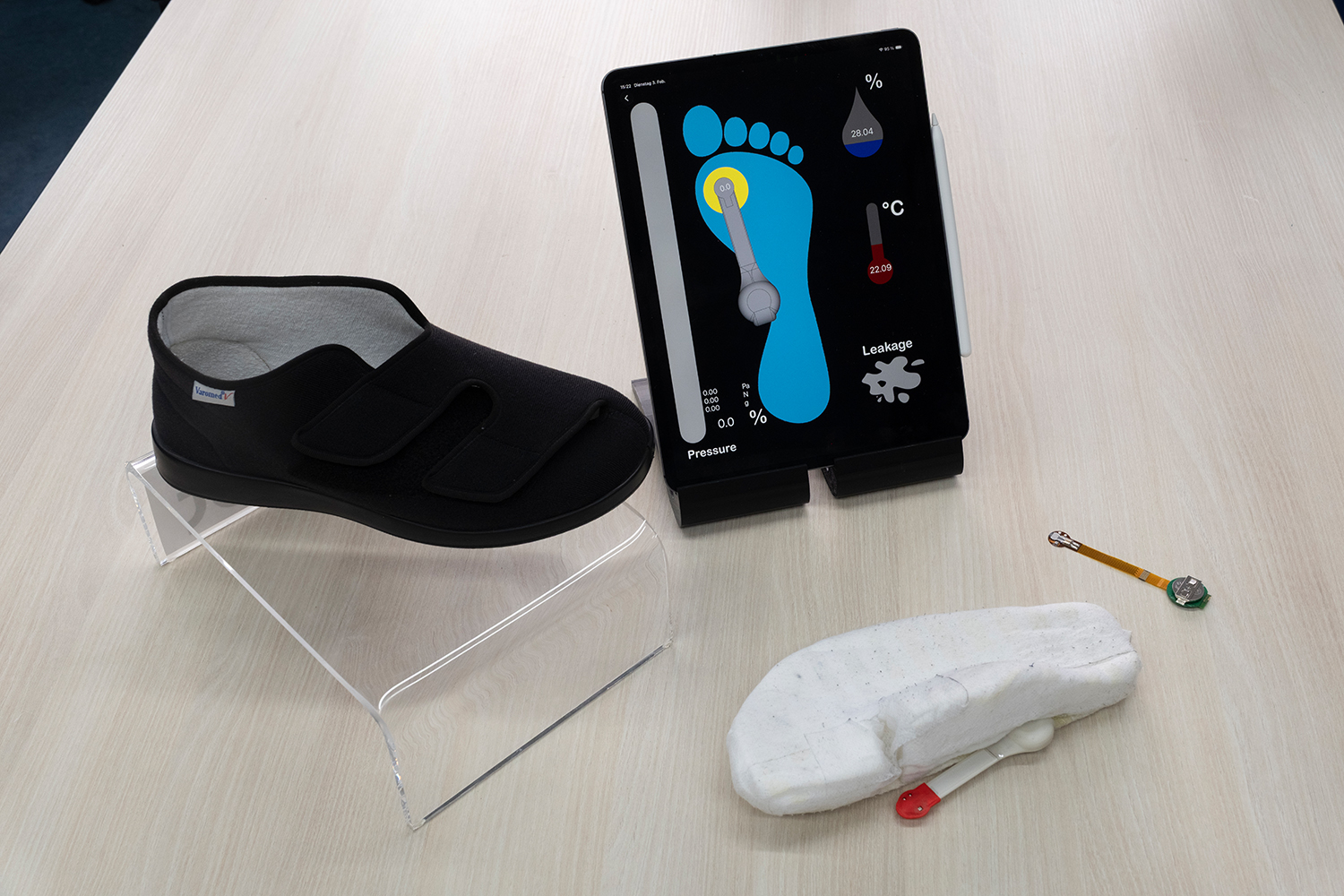
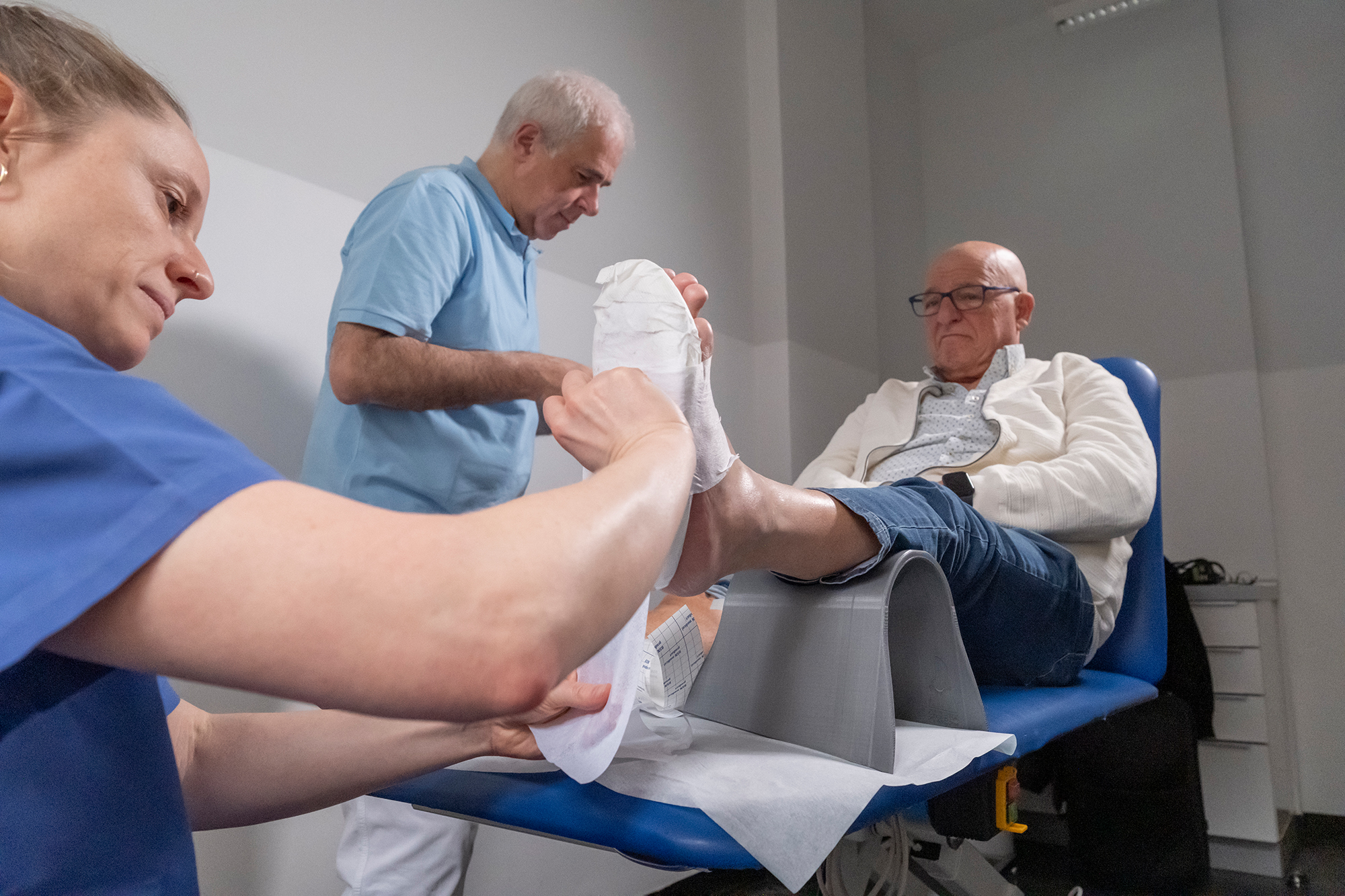
The researchers have developed several components as part of the EPWUF-KI project (relieving the burden on nursing care in the field of wound treatment using the example of diabetic foot syndrome using a hybrid AI system): A sensor-based sole measures the damaging pressure on the wounds on the feet. The data is sent to the patient via a smartwatch app so that they can react directly if the pressure is too high. Carers and doctors can also access the data via a web application and adapt further treatment. A mobile AI tool also supports carers with the regular measurement and documentation of wounds.
Two studies deliver promising results
The researchers have trialled the system solution in two studies. "The intelligent dressing can accelerate wound closure on the foot by up to 200 days. In addition, the AI-supported wound measurement and assessment as well as decision-making in the treatment process relieves the burden on nursing staff," says Hubert Otten, Head of the eHealth Competence Center and Professor of Technical Systems, Business Organisation and Logistics in Health Care Facilities at HSNR.
The Hochschule Niederrhein in Krefeld, the Centre for Diabetology, Endoscopy and Wound Healing, CID GmbH, AKZ-Hauskrankenpflege in Cologne and PI Probaligence GmbH were all involved in the project. The project was sponsored by the Federal Ministry of Research, Technology and Space.
Bosch Health Campus sponsors further development
An important criterion for the "Ideas for Impact" award is the feasibility and transferability of innovations so that they can serve as a role model and sustainably improve healthcare for many people. The EPWUF-KI project scored very well in this respect, as the system solution is cost-effective and can be extended to other diseases in the future. In addition to the prize money, the Bosch Health Campus is providing 80,000 euros for transfer activities.