


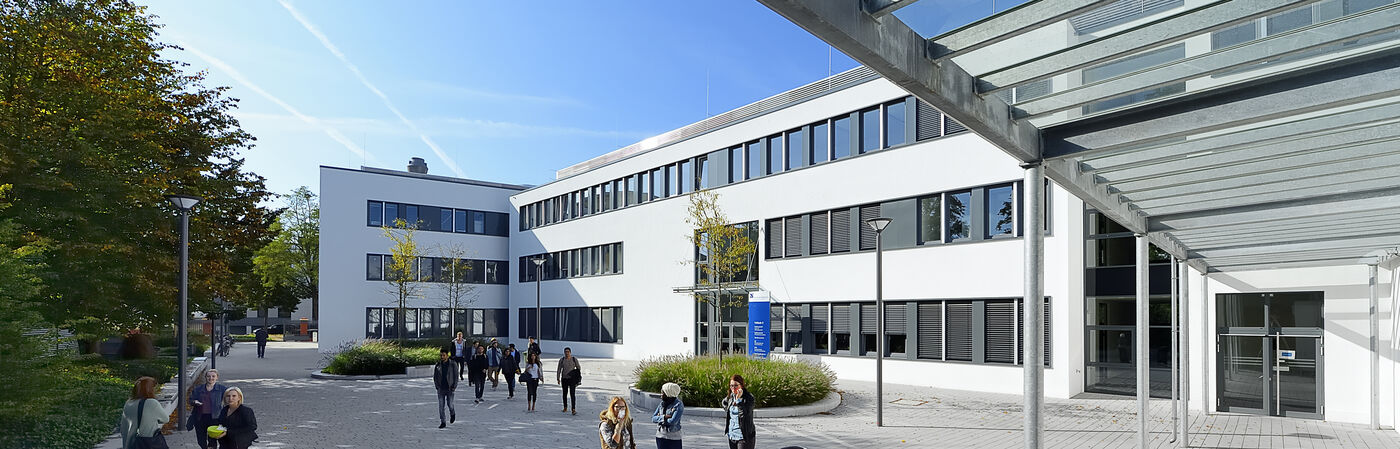
A special place has been growing in the centre of the city since last year: The Hochschule Niederrhein (HSNR) Campus West at Frankenring 20 saw the creation of a campus garden in spring and summer 2025. From the coming gardening season, the garden will be increasingly open to the neighbourhood and become a lively meeting place for encounters, environmental education, culture and community interaction.
Under the motto "Come and listen, look, do", students from the Faculties of Design and Applied Social Sciences are now cordially inviting all interested parties to actively participate in the further development of the campus garden. The aim is to turn the garden into an inclusive and attractive meeting place together with people from the neighbourhood.
In order to find out what wishes, ideas and needs the neighbourhood has, students from the Faculty of Applied Social Sciences have been conducting door-to-door discussions around the campus over the past few months. The results of these discussions are now the focus of a public citizens' dialogue.
This will take place on Friday, 23 January 2026, at 4 p.m. in the Shedhalle (Frankenring 20) at the Faculty of Design. The collected suggestions will be presented there and then discussed together. An open discussion will be held to consider how the campus garden can be designed and used in the future - from community gardening and educational opportunities to cultural or neighbourhood activities.
All neighbours, interested parties and the curious are welcome. "The campus garden is intended to become a place that many people can help shape and experience," says Professor Nicolas Beucker. The project is part of the "HSNR Gardening" teaching project funded by the university, which strengthens education for sustainable development and interdisciplinary collaboration. Under the joint leadership of Prof Nicolas Beucker (Faculty of Design) and Prof Dr Michael Noack (Faculty of Applied Social Sciences), students from both faculties are working to bring the university and the neighbourhood closer together.
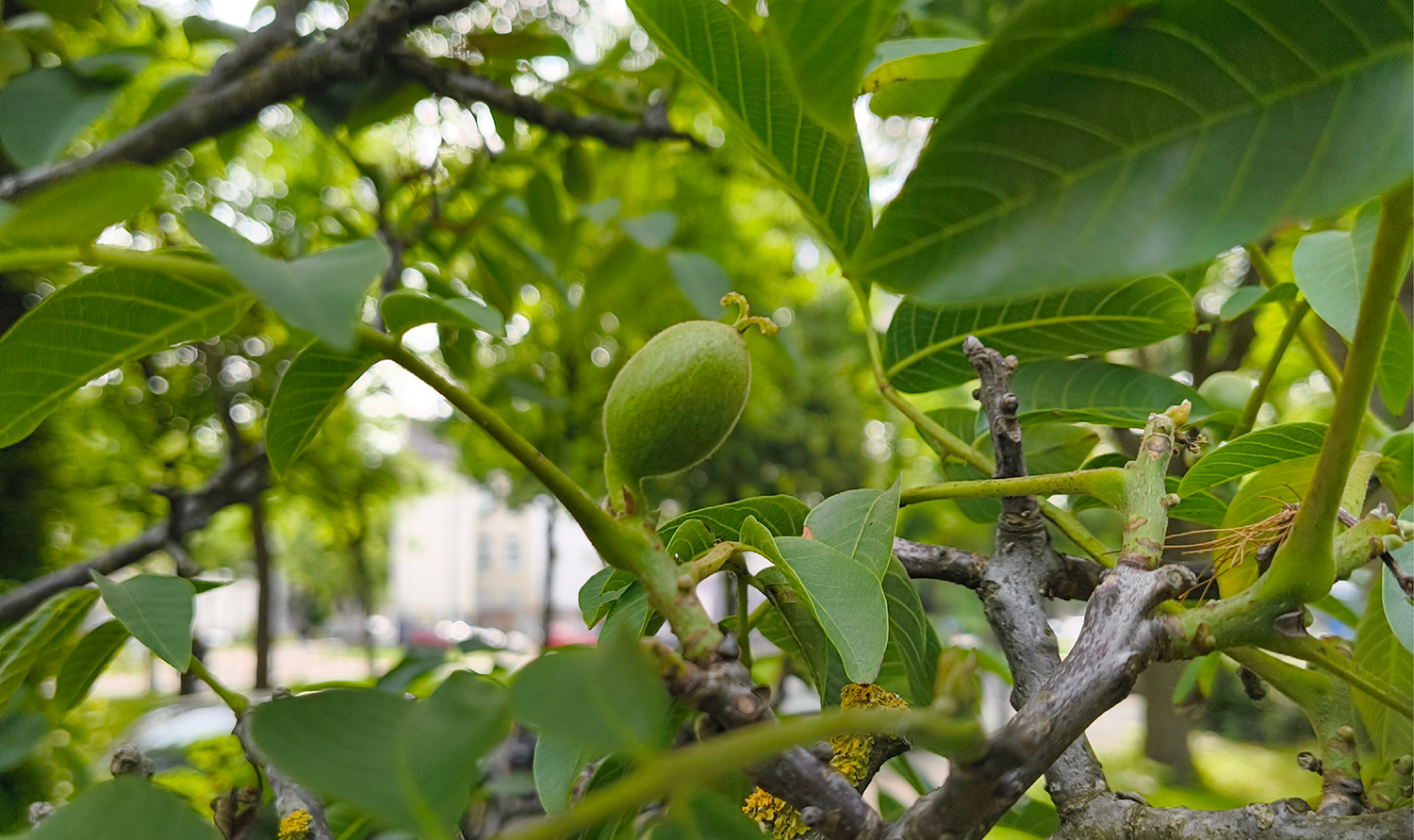
The fact that the campus garden is already promoting community was already evident during its construction: students created beds, planted vegetables, sowed a flowering meadow and planted old fruit varieties such as apples, cherries and walnuts. Children from the neighbourhood built a wild bee hotel, a raised bed and a picnic table made from recycled materials were added.