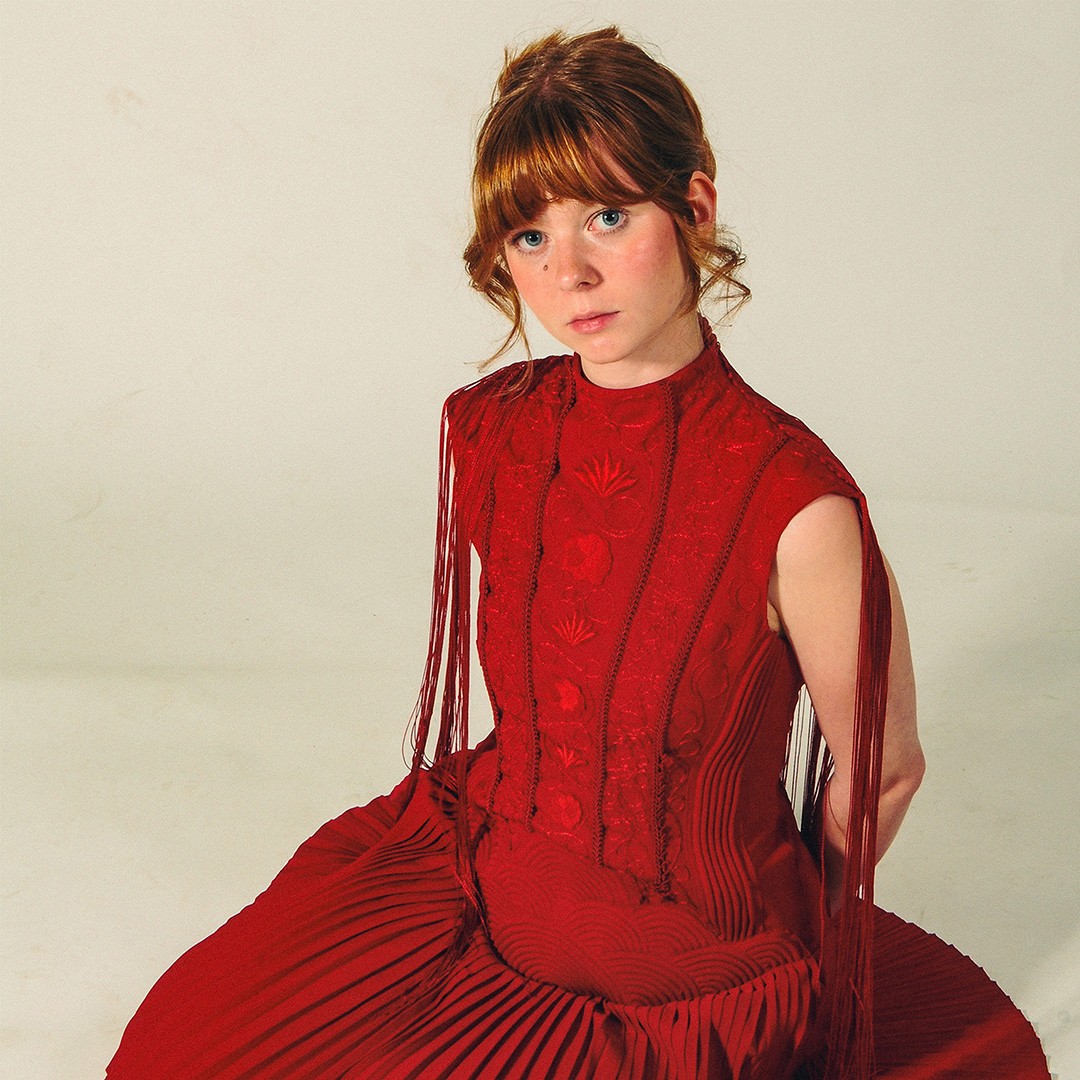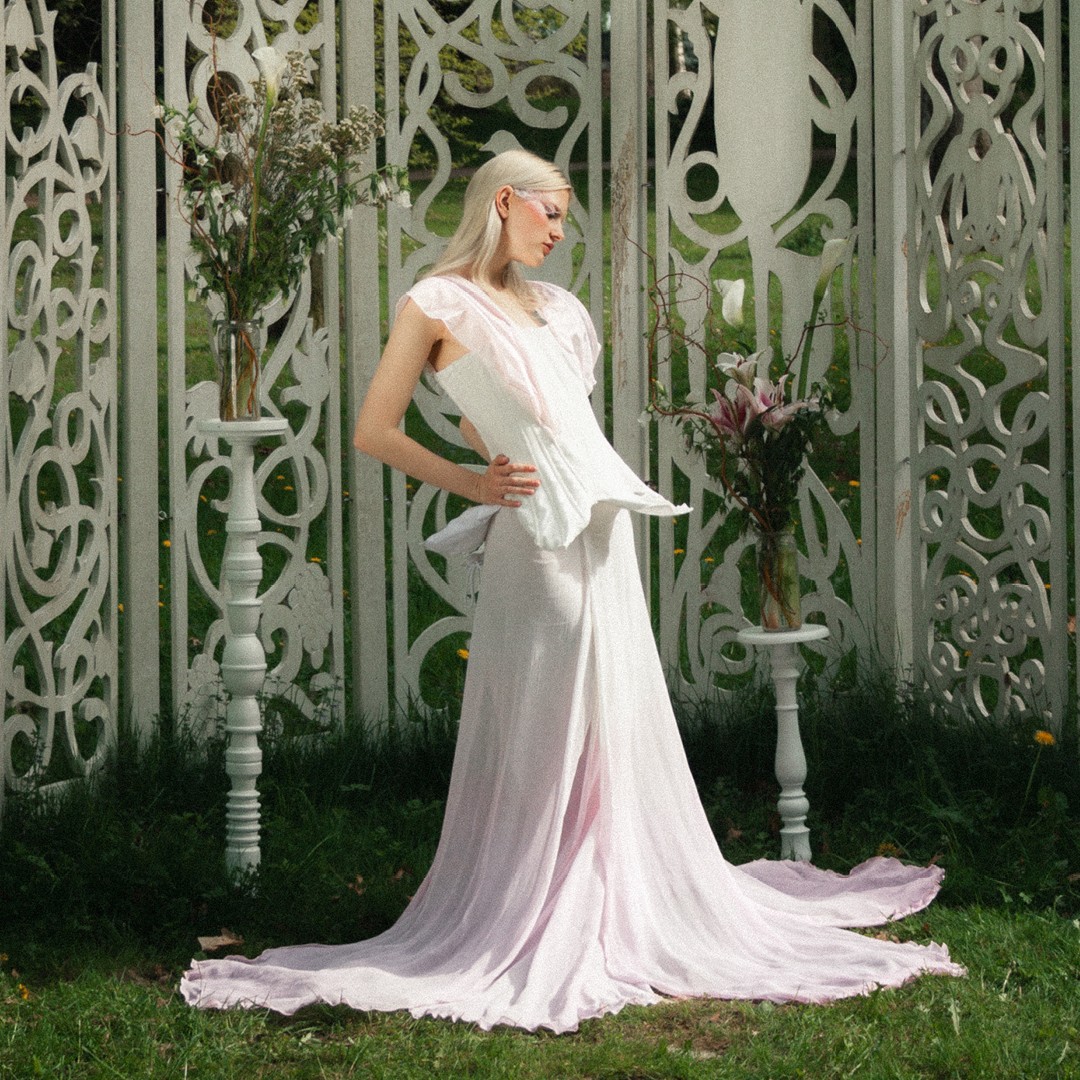


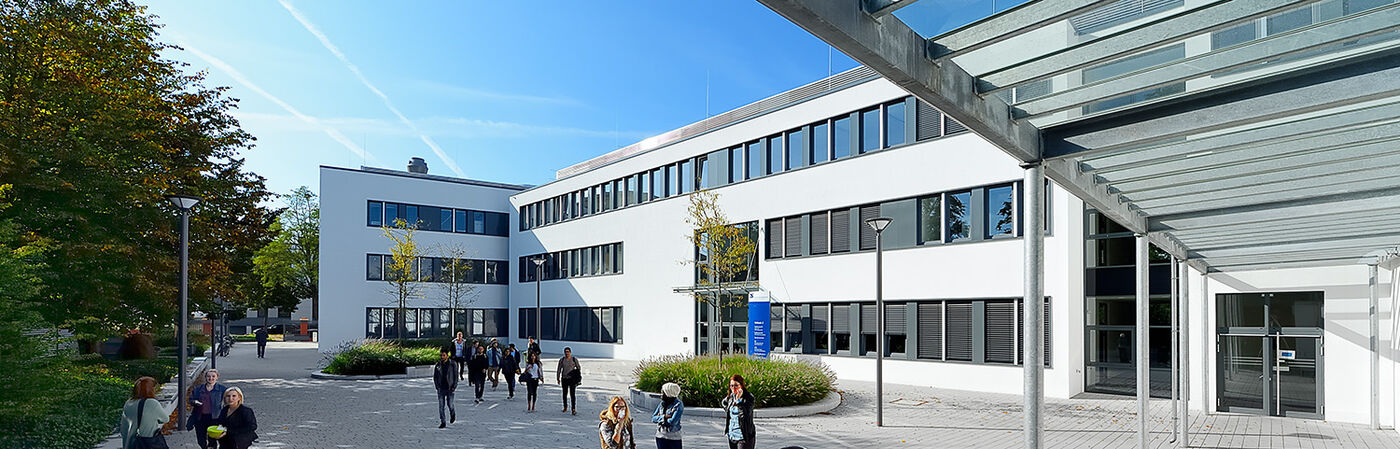
Berlin Fashion Week will once again serve as a showcase for up-and-coming designers from the Hochschule Niederrhein (HSNR) in 2026. Students from the Faculty of Textile and Clothing Technology will be represented at two major platforms for emerging talent: Neo.Fashion, the Graduate Fashion Week for German universities, and the Berliner Salon.
“The fact that our students are taking part in two major emerging talent events at Berlin Fashion Week demonstrates the high creative and technical standard of our apprenticeship. The very well-equipped workshops and laboratories create the ideal conditions for this and help ensure that our graduates are in particularly high demand on the job market,” says Prof. Joel Horwitz, Professor of Fashion Design at the HSNR.
As part of Neo.Fashion, selected graduates will present their collections on 3 July at 2 pm in a dedicated university show at the “Neues Ufer” in Berlin-Moabit. The collaborative collection by Blinera Morina and Phuong Quynh Le Chu was particularly successful. The two graduates were also nominated for the ‘Best Graduate Show’ and will present their work once again to an international jury at a second show on 4 July at 6 pm. In their collaborative collection, both students (Bachelor’s in Fashion Design Engineering) explore ‘Tangled: Following the Threads of Culture in Fashion’, they explore how cultural influences are incorporated into fashion design. Building on an Albanian-Vietnamese collaboration, they develop strategies for a respectful approach to cultural identity and address issues of cultural appropriation.
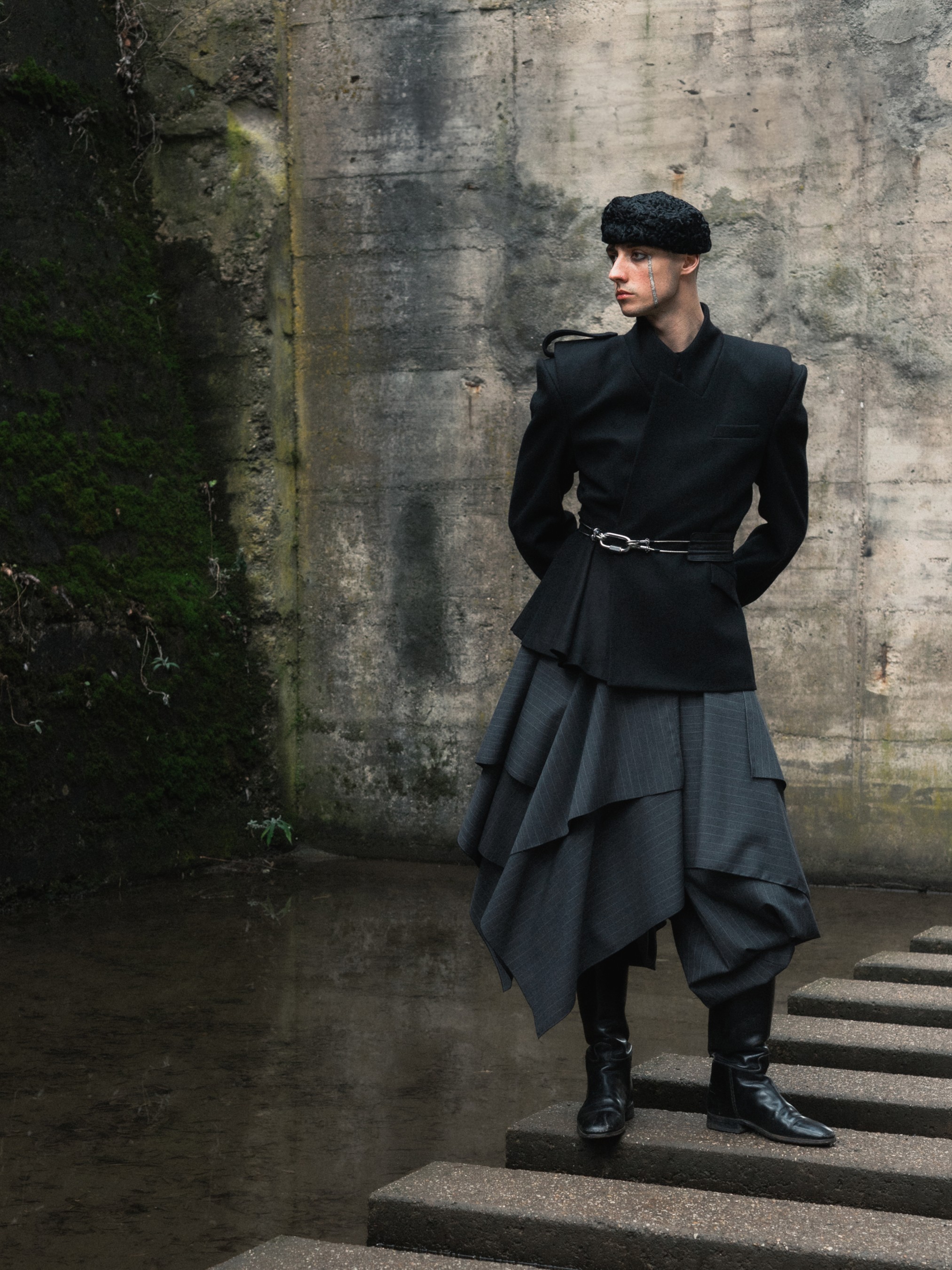
Tarık Coşar is one of 34 up-and-coming talents from across Germany who are showcasing their collections at the Berlin Salon in the Grand Orangery of Charlottenburg Palace. In his collection ‘What do we leave behind?’, Coşar (Bachelor of Design Engineering in Fashion) explores the role of fashion as a form of political memory and a narrative medium. The work reflects on the human legacy within the tension between control, resistance and change. Through military codes, the skilled trades sector and malleable silhouettes, speculative visions of the future emerge that challenge uniformity and highlight human individuality.
Jasmin Gerth (Bachelor of Design Engineering in fashion) explores the reuse of materials in her collection “UNWANTED REWANTED”. The entire collection was created from unused stock fabrics and highlights the potential of sustainable material use. Inspired by aircraft details and industrial machine aesthetics, it combines technical precision with avant-garde design and lends the existing materials a new value.
‘Ungebügelt’ is the title of Henrik Höfer’s (Bachelor of Design Engineering in Fashion) final collection, which explores music, hip-hop and fashion. Under the subtitle ‘Reflective Aesthetics – A Fashion Study of Stage Outfits in German-Language Hip-Hop Using the Artist Morten as an Example’, he explores the visual language of German-language hip-hop and examines the stage aesthetics of the artist Morten.
In her collection “Laboratores”, Sophia Kusch (Bachelor of Design Engineering in Fashion) focuses on the theme of “work”. By upcycling high-visibility and workwear, she creates a new visibility for professions that form the foundation of society yet often remain in the background. The contrast between neon colours and dark grey tones highlights differing perceptions of work and the future.
In her collection ‘Stoffwechsel’, Finja Petersen (Bachelor of Design Engineering in Fashion) breathes new life into discarded denim products. Inspired by natural cycles and states of matter, she develops new yarns, fabrics and garments. Signs of wear and imperfections are deliberately used as design features and further processed in line with a zero-waste approach. The designs are gender-neutral and adjustable in size, and are intended to take a stand against overproduction.
In her collection ‘Between Roots and Crowns’, Lina-Sofie Marschall (Bachelor of Design Engineering in Fashion) explores the forest ecosystem and the consequences of man-made climate change. The designs highlight both the strength and beauty of healthy trees and the effects of forest fires, bark beetle infestations and fungal diseases, providing the forest with a creative platform.
In her collection, Helene Nusch (Fashion Design Engineer) explores the historical development of the role of women and the origins of supposedly feminine traits such as delicacy and sensitivity. Through storytelling, five looks present strength and delicacy as a symbiosis. Cactus blossoms serve as a metaphor and are reflected in organic designs combined with historical women’s ready-to-wear dress codes. The aim is to show that women can be both feminine and strong.
In her master’s collection ‘Too Much or Too Little’, Julia Segschneider (Master’s in Textile Products Design) examines societal expectations of femininity and addresses the contradictions between self-determination and social attribution. Knitwear serves as a creative medium to make the tensions between visibility, vulnerability and resistance tangible. The collection deliberately navigates between opposites and depicts a state between conformity and emancipation.
In her collection ‘Raum für mich’ (Space for Me), Sophie Steffen (Bachelor’s in Fashion Design Engineering) explores space as a metaphor for inner developmental processes. Space-age influences and circular elements characterise the designs, which translate the experiences of coming of age – caught between a sense of disorientation and a new beginning – into textile forms.