

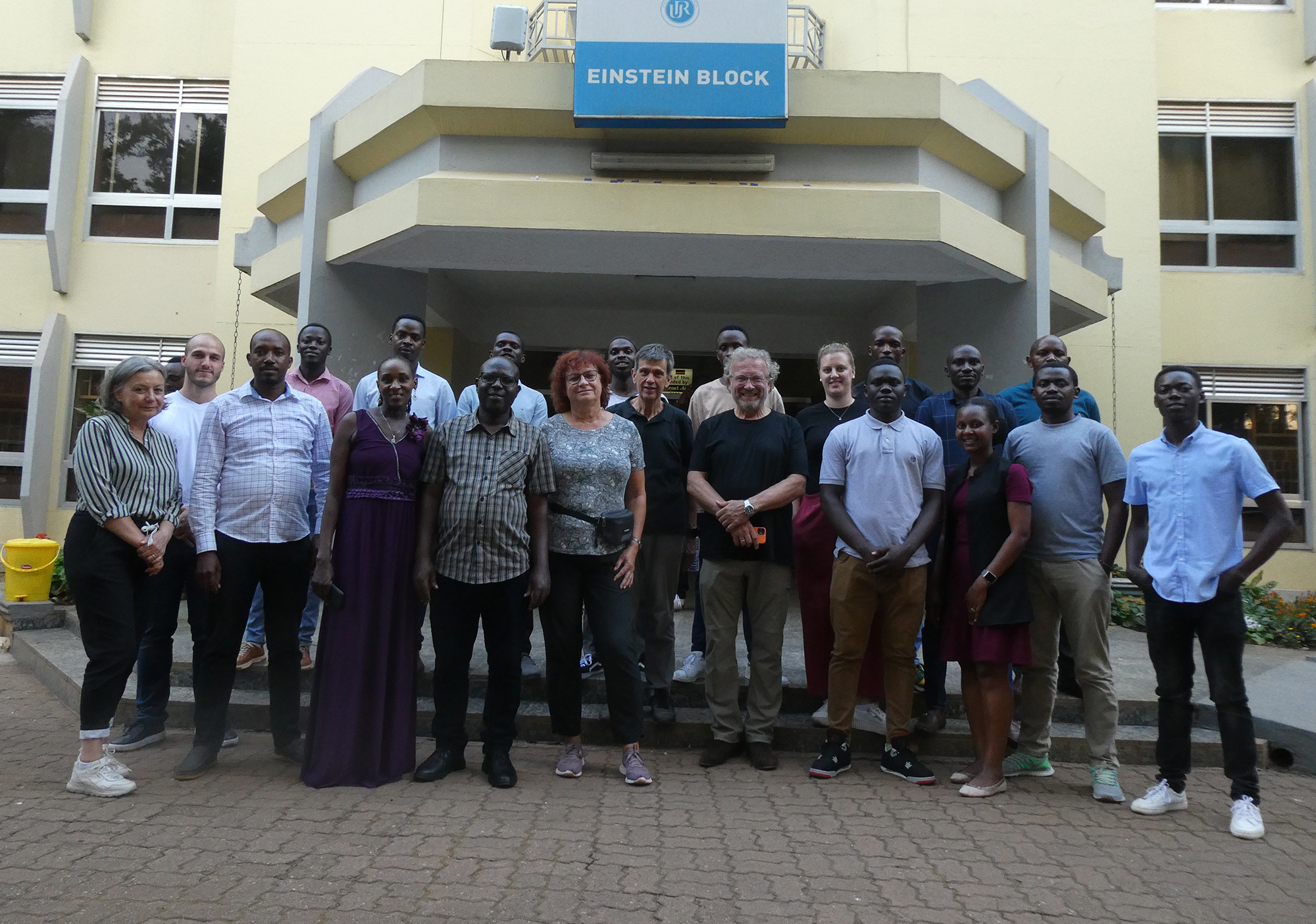
The Hochschule Niederrhein (HSNR) is involved in the international education project "GREATER - Growing Rwanda Energy Awareness Through HighER Education" for the expansion of sustainable energy supply and practical orientation in Rwanda. Alongside Rwandan and Italian partners, The Hochschule Niederrhein (HSNR) played a key role in the project. The project was sponsored by the European Union as part of the Erasmus+ programme with around 799,000 euros. The HSNR received around 128,000 euros of this.
The aim of GREATER is to network universities in Rwanda and Europe in order to promote innovative and decentralised energy solutions and at the same time develop new programmes in the field of smart and renewable energies. The aim is to prepare Rwandan students specifically for the requirements of a sustainable energy future. A so-called Living Lab, a real-life demonstration and learning centre, has been created in the immediate vicinity of the University of Technology and Arts of Byumba (UTAB). This is where technological innovations, academic apprenticeships and the local population come together.
Experts from the Faculties of Industrial Engineering, Engineering and Computer Science, Business Administration and Economics and Faculty of Food and Nutrition Sciences at the HSNR worked together across disciplines to further develop degree programmes, implement the Living Labs and train local teachers.
The UTAB in northern Rwanda plays a key role in the project. With its strong practical relevance in teaching education and its commitment to sustainable development, it enables students to work directly on real energy systems and develop innovative solutions together with local stakeholders.
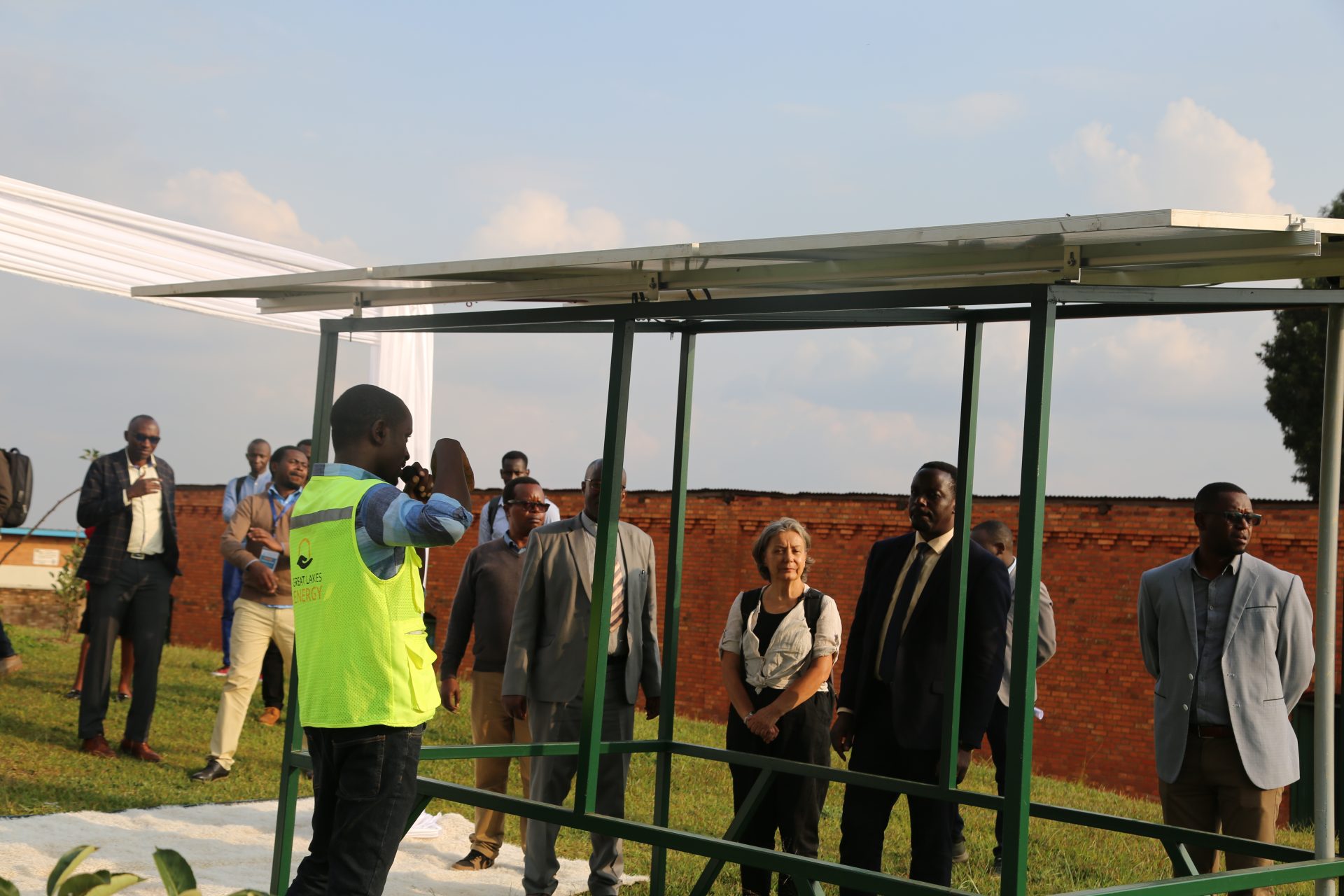
The Living Lab itself is located at a nearby school, which previously had a limited power supply. The installation of a decentralised energy system consisting of solar modules, battery storage and safety lighting now ensures a reliable energy supply. This not only enables the use of digital learning tools such as laptops, but also improves the quality of education in the long term.
The Living Lab also serves as a practical orientation for learning: students and lecturers acquire comprehensive knowledge in the installation, operation and maintenance of photovoltaic systems. At the same time, the system is accessible to the local population and sponsors the understanding and acceptance of renewable energies in everyday life.
"The project shows how valuable international cooperation is: we learn from each other and jointly develop solutions that are both technologically and socially viable," says Dr Arne Graßmann, Professor of Energy Technology and Deputy Director of the SWK E² - Institute of Energy Technology and Energy Management.