Electric conversion Porsche 924S

Hochschule Niederrhein. Your way.

Electrified classic: Porsche 924S

Conversion project of the Campus Week 2025

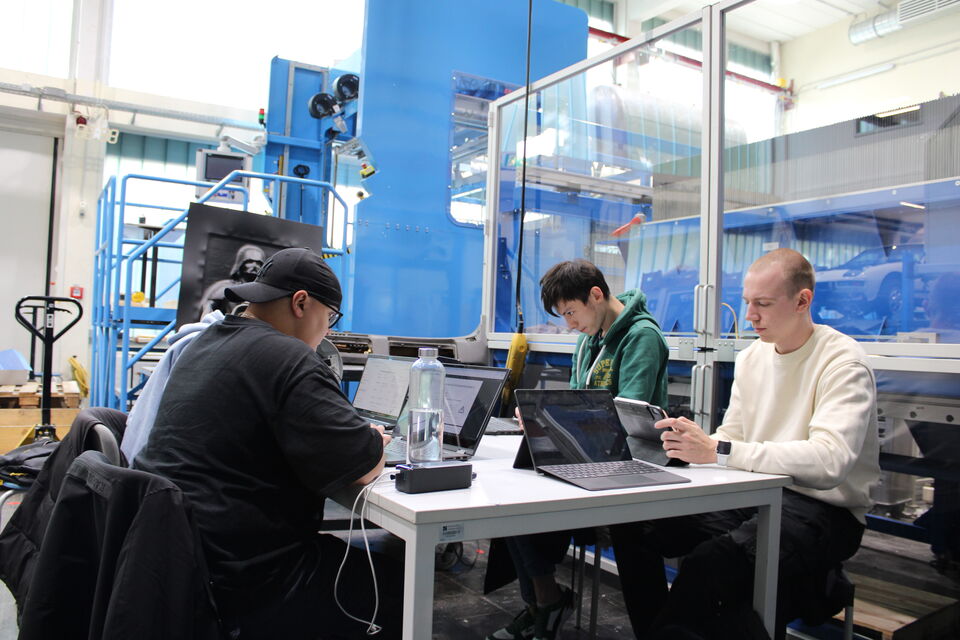
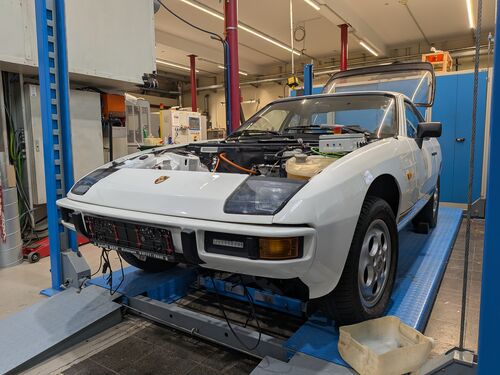
The Hochschule Niederrhein's interdisciplinary "Porsche 924S electric conversion" project combines tradition with innovation. During the current Campus Week 2025, students from various faculties are working together to convert a classic Porsche 924S into a fully electric vehicle. This project builds on the experience gained during Campus Week 2024.

Interestingly, the very first vehicle developed by Ferdinand Porsche in 1898 was already electrically powered - a remarkable historical detail that lends this conversion project a special significance.

(Kopie 2)

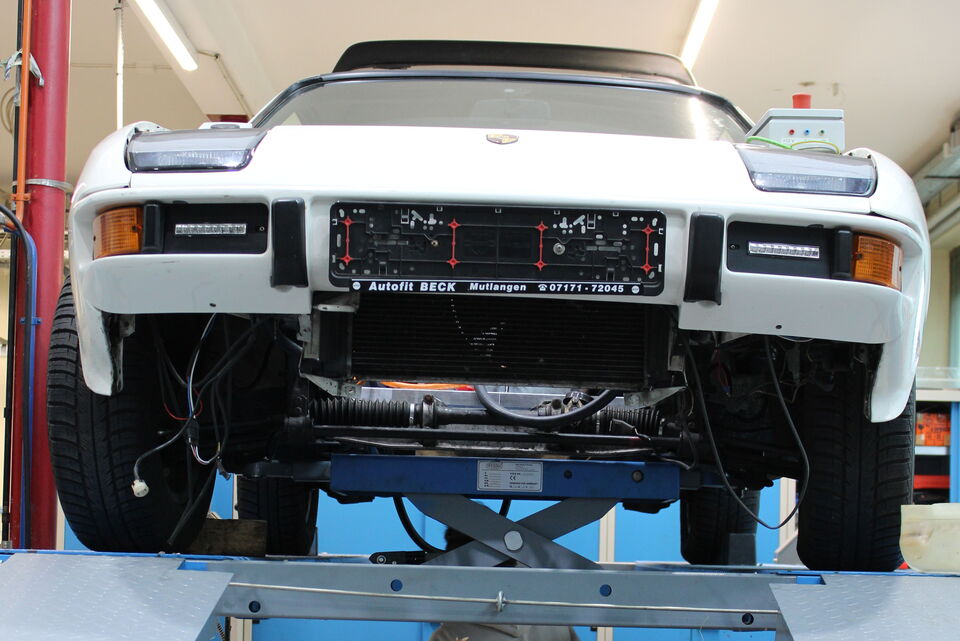
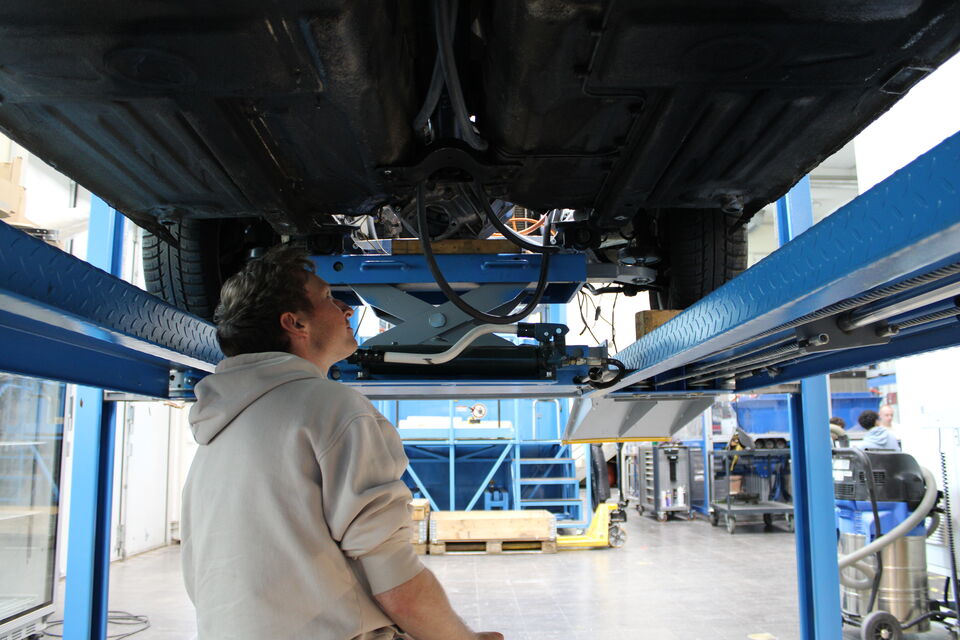
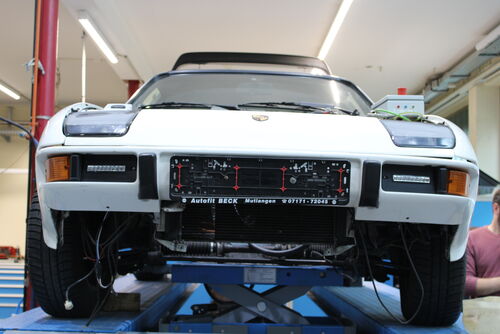
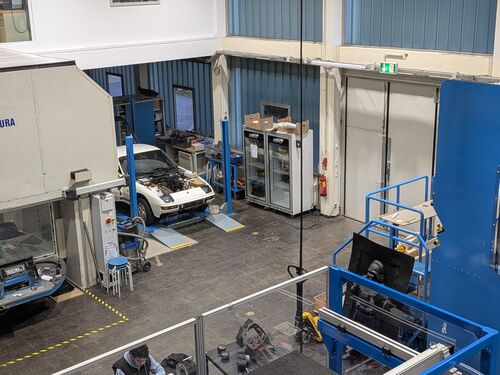
Porsche on a lift
What is it about?

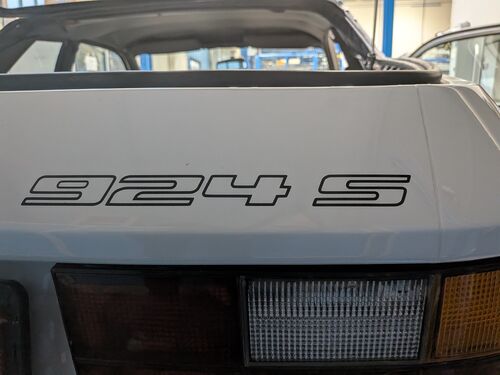
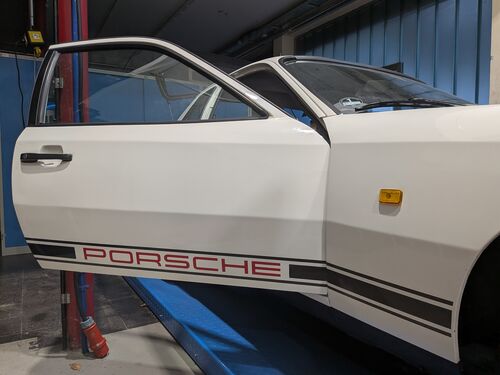
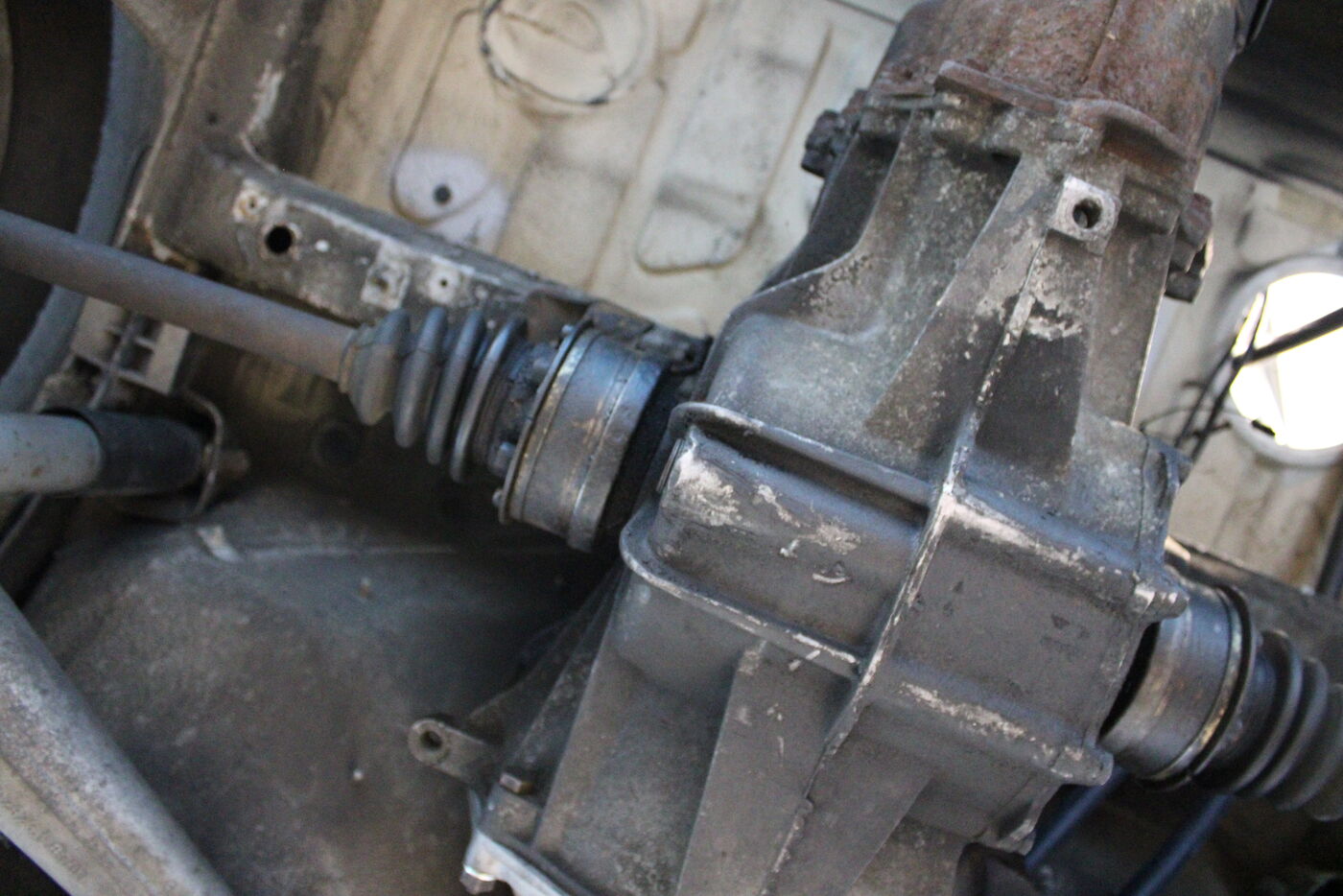
The Porsche 924S, originally equipped with a 2.5-litre four-cylinder petrol engine, is being completely converted to electric drive in this project. The basis is a well-preserved vehicle whose conventional drivetrain is being replaced by a modern electric system.

Project goals

  • Transformation of a classic sports car with a combustion engine into an environmentally friendly electric vehicle
  • Practical application of theoretical knowledge in a real engineering project
  • Promotion of interdisciplinary cooperation between different faculties
  • Development of project management and teamwork skills
  • Raising awareness of sustainability aspects and environmentally friendly mobility
  • Practical orientation of knowledge about electromobility

The project extends over the entire campus week. The end result is not only a functional electric vehicle, but also a deep understanding of the challenges of electrifying classic vehicles.

Groups 1-6

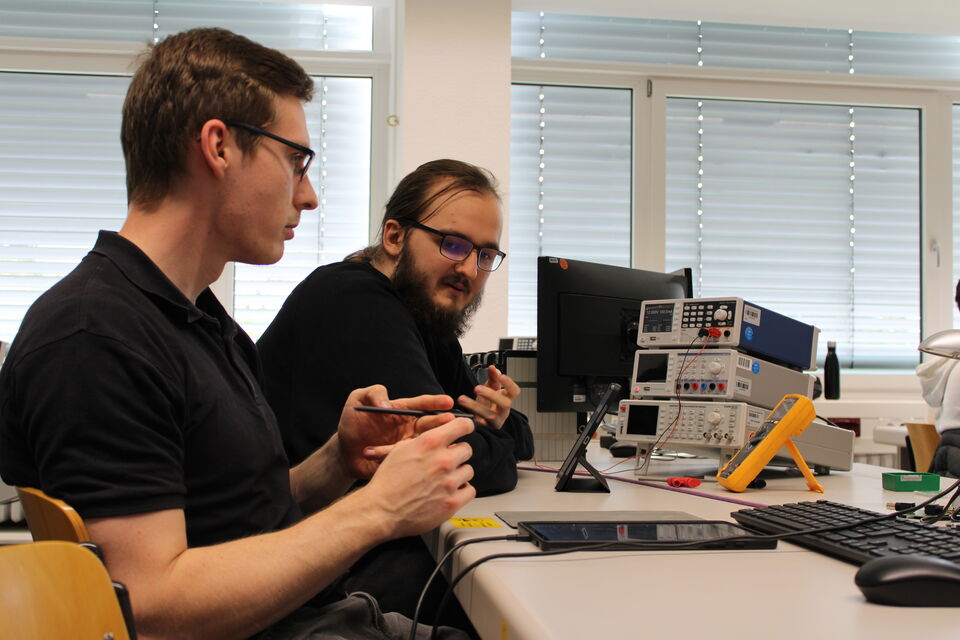
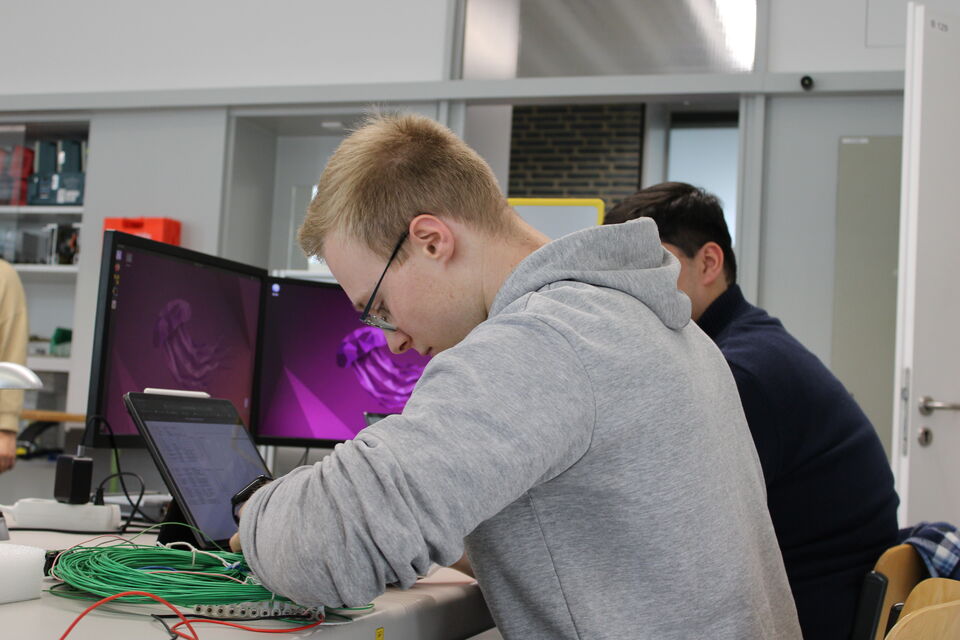
Photo Team 12V
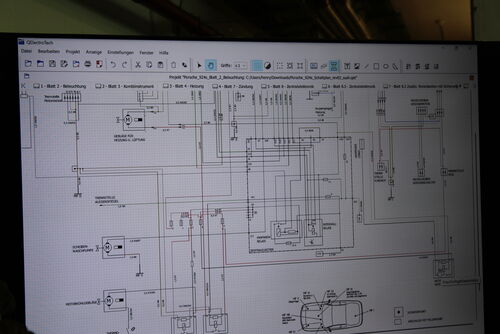
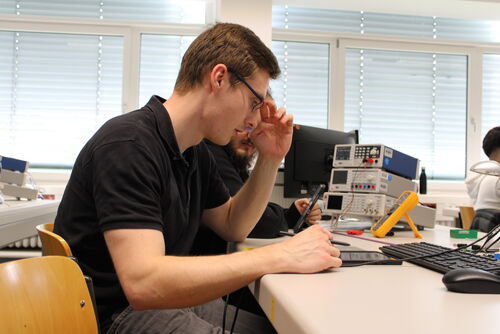
12-volt systems

Responsible persons: Abdelghani, Henry, Jonas, Simon

  • Adaptation of the low-voltage electrical system
  • Integration of the vehicle electronics
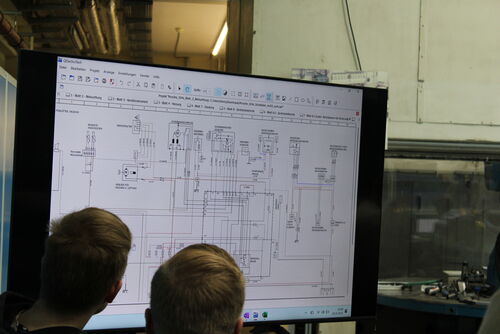
  • Development of a complex circuit diagram
  • Ensuring compatibility with the high-voltage system
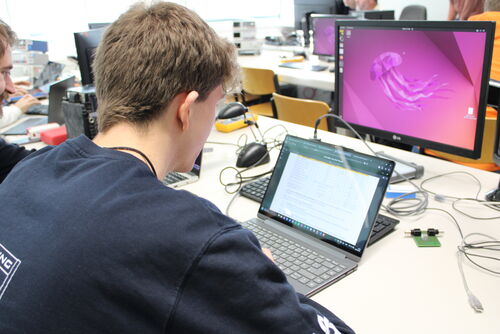
Team Cockpit PI
Cockpit PI

Responsible persons: Alexey, Ali, Benedikt, Tiba, Simon

  • Development of a modern driver information system
  • Programming the user interface
  • Integration of real-time data such as battery level and range
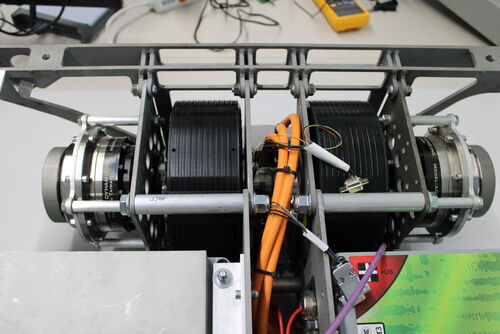
Team drive
Drive

Responsible persons: Mustafa, Danyal & Krügel, Laurin

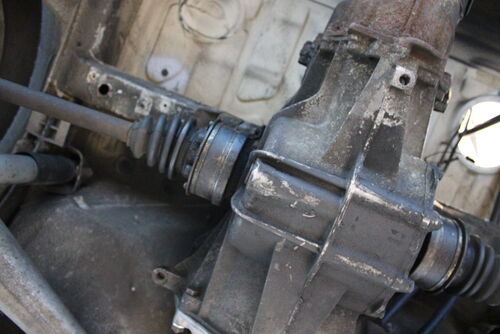
  • Selection and integration of the electric motor
  • Development of the motor control
  • Optimisation of the power transmission
Photo team battery boxes
Battery box assembly

Responsible persons: Hehl, Anton & Janzik, Finn

  • Design of safe and efficient battery housings
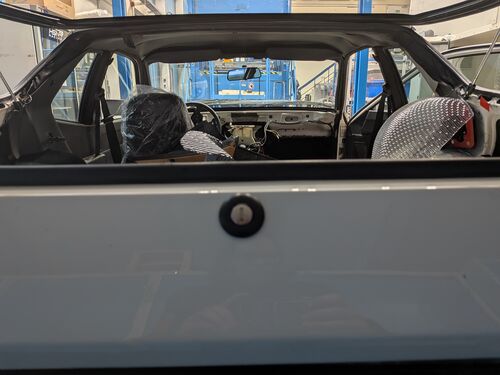
  • Integration of the batteries into the vehicle structure (11 in the engine compartment, 7 in the interior)
  • Optimisation of the weight distribution
Photo by Team Motorhalterung
Motor mount

Responsible: Dennis

  • Development of a customised engine mount
  • Adaptation of the vehicle structure
  • Ensuring optimum weight distribution
Photo by Team Reverse Engineering
Reverse engineering

Responsible persons: Hannes, Moritz, Robin, Uwe

  • Analysis of the original vehicle
  • Documentation of all modifications
  • Development of solutions for technical challenges

Groups 7-12

Photo by Team Akkubalancing
Battery balancing

Responsible persons: Jannis & Maurice

  • Development of a system for optimal charge equalisation
  • Monitoring the battery cells
  • Maximising service life and performance
Photo by DC/DC
DC/DC converter

Responsible persons: Joshua & Tobias

  • Integration of an efficient DC/DC converter
  • Adaptation of the voltage levels
  • Ensuring a stable power supply
Photo by Team IMD
IMD (insulation monitoring)

Responsible: Matte

  • Implementation of safety systems
  • Monitoring of electrical insulation
  • Compliance with safety standards
Photo by Team Ladegerät
Charger

Responsible persons: Marcus & Thorben

  • Integration of a powerful charging system
  • Development of innovative charging solutions
  • Optimisation of charging times and efficiency
Photo by Team HV
HV cable and HV heating

Responsible: Stefan, Yusuf, Nechirvan

  • Laying the high-voltage wiring harness
  • Installation of the electrical heating
  • Ensuring the system integration
Marketing

Responsible persons: Anika, Lars, Lisa

  • Documentation of the course of the project
  • Creation of presentation materials
  • Public relations and social media

Conversion of the charging infrastructure

The original petrol filler neck of the Porsche has been creatively redesigned and now serves as a charging connection for the electric vehicle. This elegant solution preserves the outward appearance of the classic car.

Weight optimisation

Special calculation software was developed to analyse and optimise the weight distribution of the vehicle before and after the conversion. This ensures that the dynamic driving characteristics of the sports car are retained.

CAD development

Detailed CAD designs were created for various components, in particular the battery boxes and their integration, to enable precise production and assembly.

Battery layout

The distribution of the battery packs (11 in the engine compartment, 7 in the interior) was carefully planned to ensure optimum weight distribution and maximum space utilisation.

Converting an existing vehicle to electric drive touches on various aspects of sustainability:

  • Conservation of resources: By continuing to use an existing vehicle, resources for the production of a completely new car are saved
  • Emission reduction: The electric drive does not cause any direct emissions during operation
  • Energy Efficiency: Electric motors are significantly more efficient than combustion engines
  • Knowledge transfer: the findings from the project are incorporated into the apprenticeship of future engineers

Based on the VDI study on the life cycle assessment of passenger cars (December 2023), the following findings were taken into account:

  • The production of the battery has the largest ecological footprint (83% of the production-related emissions of the powertrain)
  • The environmental footprint of an electric vehicle improves with increasing mileage
  • Electric vehicles are significantly more efficient than combustion engines, especially in urban traffic
  • LiFePO4 batteries offer ecological advantages over other lithium battery types

The Hochschule Niederrhein Campus Week

The Hochschule Niederrhein's Campus Week is a special initiative that offers students and lecturers the opportunity to work on interdisciplinary projects outside of the regular teaching programme. No regular courses take place during this time, which creates space for creative and innovative projects.

The format promotes:

  • Interdisciplinary exchange
  • Practical application of theoretical knowledge
  • Development of teamwork and project management skills
  • Networking between students from different faculties
Consulting
Accessibility