Newsletter – Interreg SenSpores Project
Issue #2

Hochschule Niederrhein. Your way.

In each issue, we would like to introduce you to one of our project partners.

Interview with Dr Alexander Wesquet, Project Manager at SIG Combibloc Systems GmbH.


Could you briefly introduce yourself and describe your role within the company?

As part of Global Research and Development (GR&D), we are responsible within SIG for both the further development and design of new filling machines and for the development of new, modern food packaging. Furthermore, we work closely with our customers in the food industry across many areas and provide support with customer-specific issues.

Could you briefly describe your company?

SIG is a leading provider of packaging solutions ‘for better’ – better for our customers, for consumers and for the world. With our unique portfolio of aseptic carton packs, bag-in-box solutions and stand-up pouches with closures, we work in partnership with our customers to deliver food and drink products to consumers around the world in a safe, sustainable and affordable way.

Why is this project so interesting to you?

In order to meet the high standards of quality and consumer safety, microbiological assessment is a core element of quality control, particularly in the field of food production. Although microbiological methods are well established in this field, the considerable time required from sampling to the availability of results is associated with significant drawbacks. This project offers the opportunity to solve precisely this problem by drastically reducing measurement times.

What are your responsibilities within the project?

As the research division of a modern industrial company, we have the opportunity to investigate newly developed methods in an industrial setting. The R&D environment provides us with the necessary flexibility – and our proximity to production provides the necessary industrial context.

What benefits do you gain from collaborating with the other project partners?

Collaboration with the various project partners has the great advantage of bringing together experts from a wide variety of fields. In this way, knowledge and expertise are pooled on a scale that would not be possible within a single company.

Have you ever been involved in a similar project? What was your experience of it?

We are involved in various areas of research related to our business sector. A particular focus is on projects aimed at ensuring the safe, sustainable and affordable packaging of food. Similar projects in the past have led to the industrial maturity of the processes that are now established, meaning that our customers can already package their products safely, sustainably and cost-effectively using SIG systems. Collaboration with customers, universities and technology partners is a fundamental prerequisite for well-developed solutions.

What benefits do you see for your company from participating in this project?

The drawbacks of traditional microbiological methods, particularly in terms of the significant time required, affect the entire food industry. Any improvement in this area has a direct positive impact on our work. In addition to ensuring quality in the production environment, new methods would also have a decisive influence on the development sector. Faster access to microbiological results would enable quicker feedback loops and thus enable us to drive improvements forward more rapidly and in a more targeted manner.

Do you think the project will also have positive effects for the general public? If so, what might these be?

Faster detection of potential microbiological contamination would have a major impact on the sustainability of the entire food production process. Due to the currently necessary long incubation periods, microbiological contamination in many areas can only be detected after several days. Food produced in the meantime can then often only be destroyed. With new methods, a larger proportion of the available food could be safely packaged and delivered to consumers.
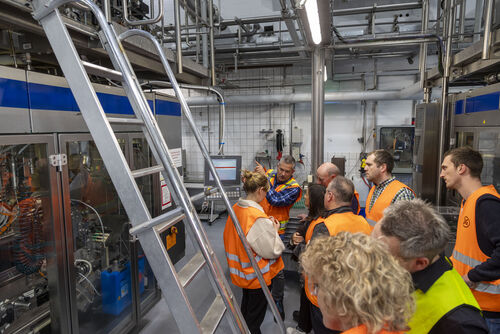
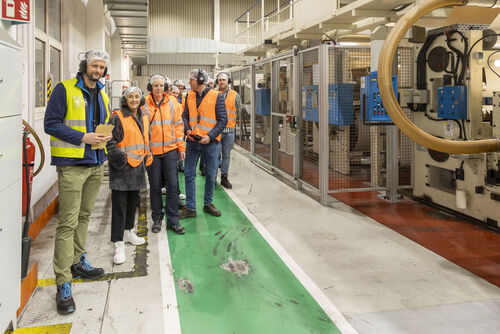
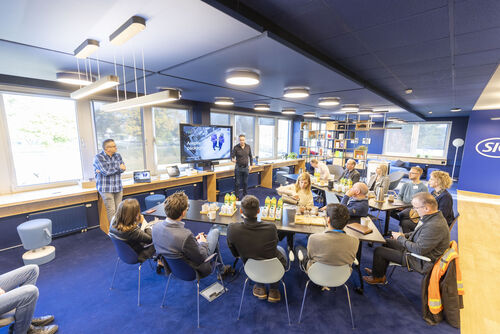
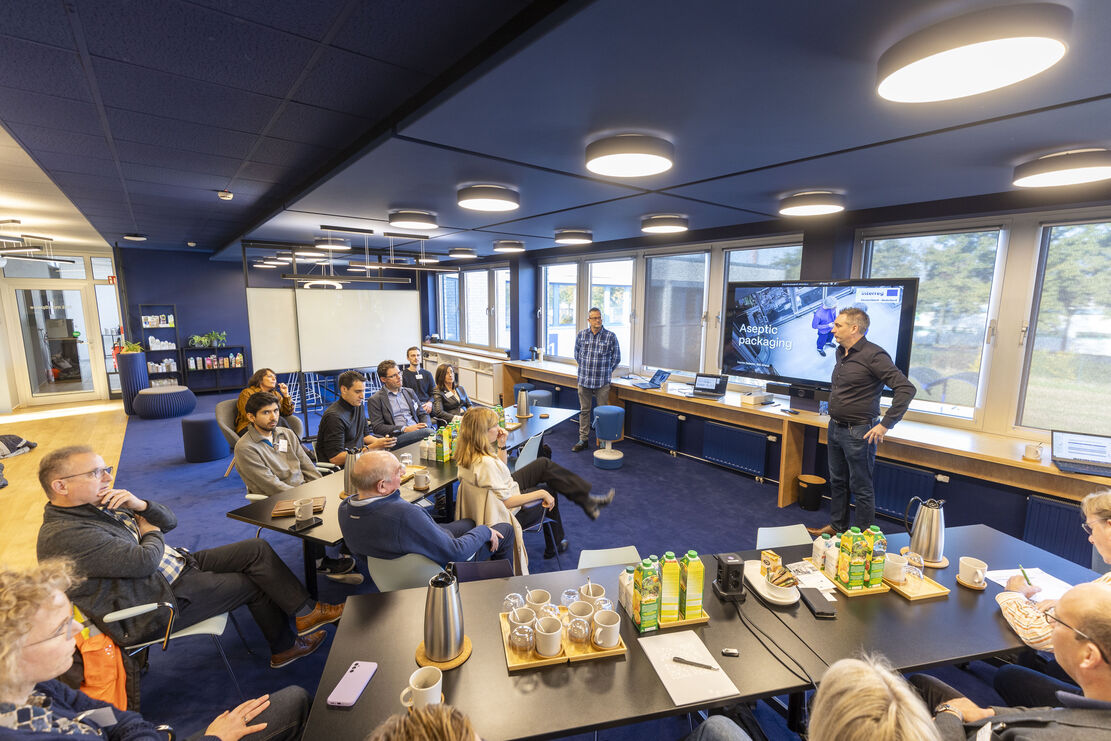
Working meeting at SIG Combibloc Systems, 5 November 2024

Science meets practice

Conclusion of the first project year at SIG

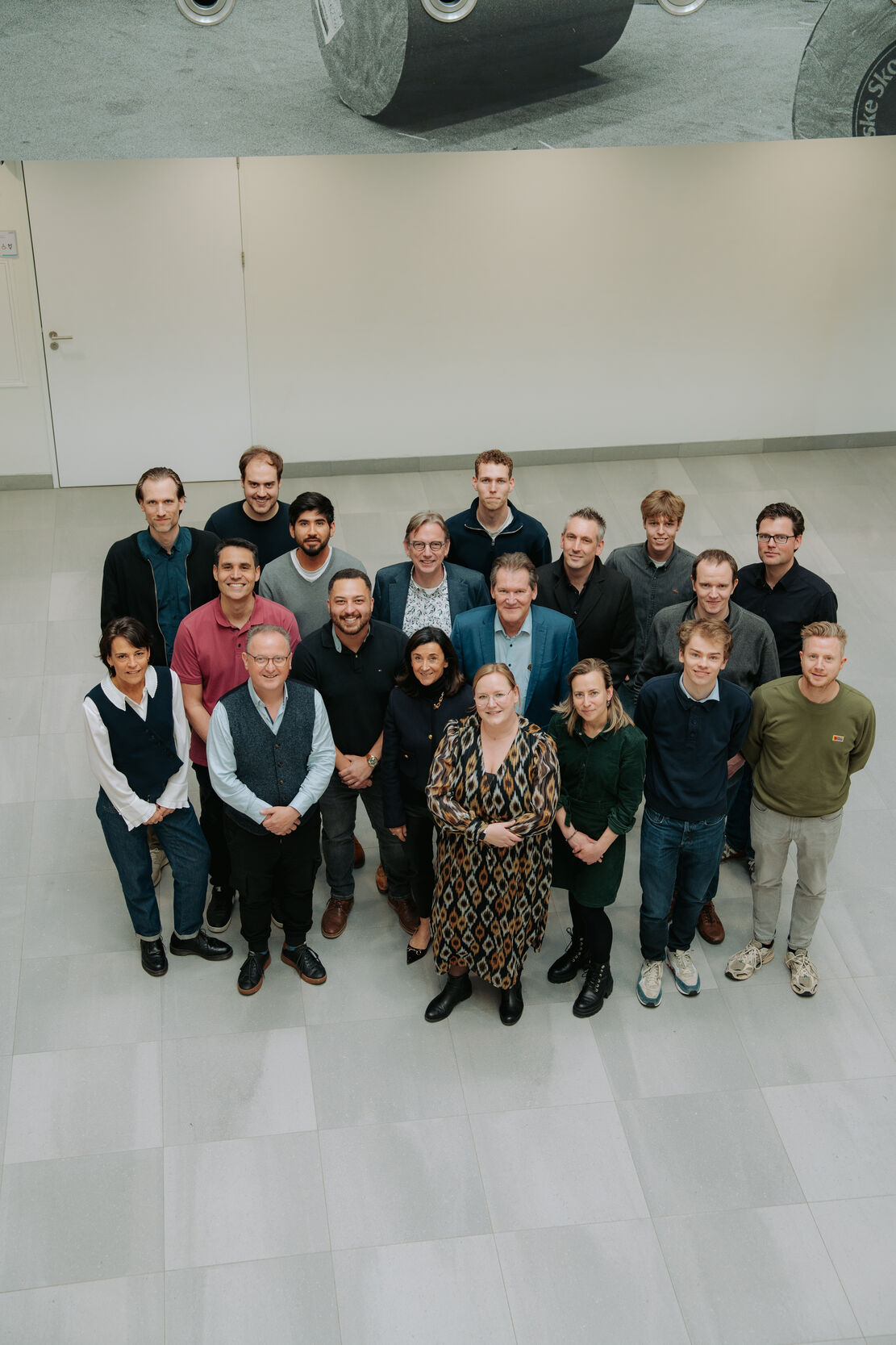
At the project meeting for the SenSpores research project at SIG, all project partners, as well as representatives from Euregio, came together to review the current status of the project following the conclusion of the first project year and to agree on the next steps.

The meeting began with an introduction to the company provided by Mr Wesquet and Mr Geissler. They gave a detailed overview of SIG and its areas of activity. They provided an insight into the company’s structure, its core competencies and SIG’s role in the food packaging industry. Particular emphasis was placed on the high standards required for microbiological safety and quality assurance in production – aspects that are also of great relevance to the development of biosensors within the SenSpores project.

Following this, Maastricht University and the Hochschule Niederrhein presented their project results to date. Maastricht University outlined its progress in the field of receptor development, in particular the experiments on the recognition of specific targets and the first successful cultivations of microorganisms such as Fusarium oxysporum. The Hochschule Niederrhein presented its work on microbiological analysis and the cultivation of specific microorganisms, which are of central importance for the development of biosensors. These results were discussed at length, and strategic decisions were taken for the upcoming project phases.

Following the technical discussions, a joint lunch provided an opportunity for informal exchange. This gave rise to numerous interesting conversations and fostered a close link between practice and theory.

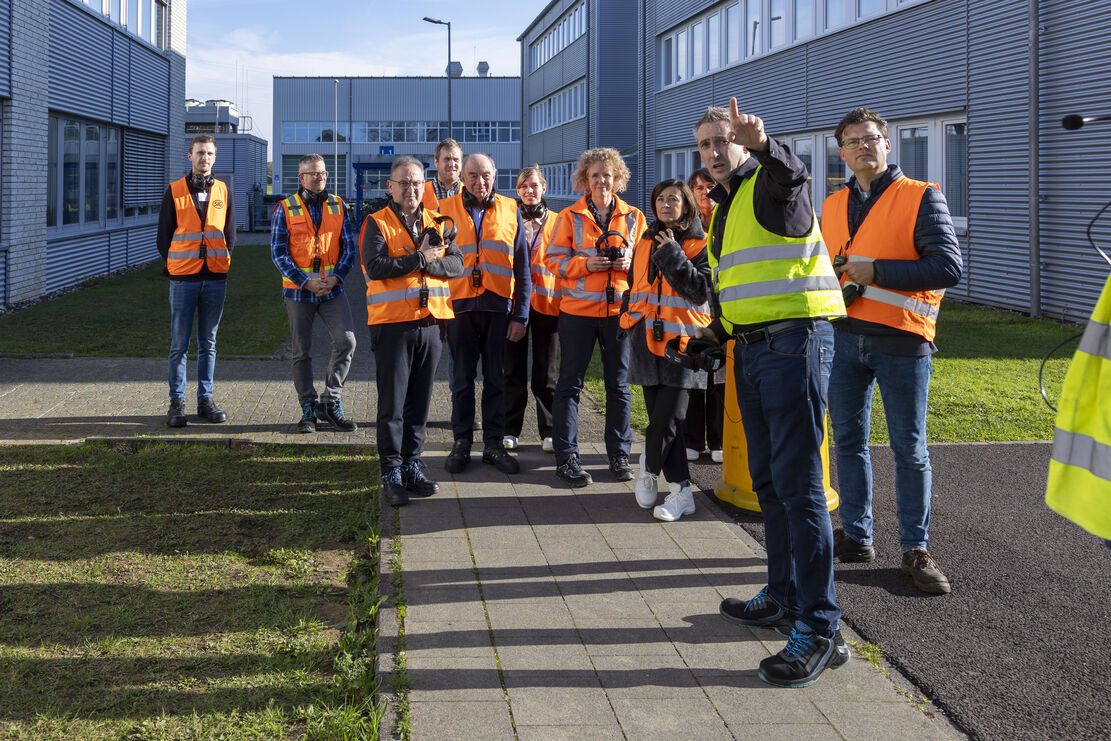
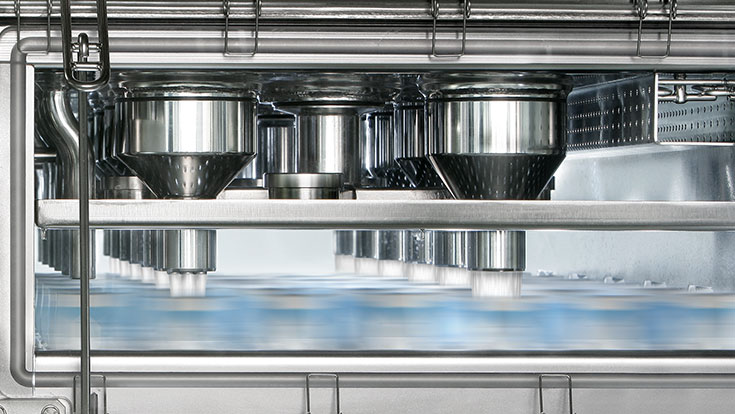
The meeting concluded with a guided tour of the SIG premises, which gave participants a detailed insight into the company’s production processes and technical procedures. This made it particularly clear what requirements exist in terms of quality assurance and microbiological monitoring in industrial production.

Overall, the meeting was extremely informative and impressive. The presentations and discussions provided valuable impetus for further collaboration, and the practical orientation of the exchange strengthened the shared understanding of the project’s challenges and objectives. Following the successful completion of the first year of the project, the focus is now on building on the insights gained and preparing for the practical implementation of the sensors.

Project meeting at Botany

Innovative insights and fresh ideas – project meeting at Botany

On 28 January 2025, a project meeting took place at Botany in the Netherlands as part of the SenSpores research project. All project partners, as well as representatives from Euregio, attended.

Birgit Teunissen, Team Leader for Botany and Research at Botany, opened the meeting. In her welcome address, she outlined the company’s structure and the diverse areas of activity within the Botany Group. This introduction alone conveyed a vivid impression of the application-oriented and innovation-driven work carried out at Botany.

This was followed by a fascinating technical presentation by Erik Peters of Botany on plant-pathogenic fungi and their impact on crops. He emphasised the importance of early detection using sensor-based systems and impressively demonstrated just how great the need for further research in this area still is.

Andrea Finken provided an update on the current status of the project. In addition to administrative matters such as funding disbursements and the progress report, she highlighted the close collaboration between research and project management – a prerequisite for the project’s success.

Prof. Dr Dr A. Prange then presented the progress made in the ‘Microbiology and Application’ work package. The laboratory tasks carried out to date form the foundation for the upcoming, more practical orientation steps: in the next phase, relevant microorganisms are to be investigated in the specific matrices of the project partners. Particularly exciting: the first applications of the sensors developed are already planned for the second half of 2025 – an important milestone in the project’s progress.

On behalf of Maastricht University, Rocio Arreguin and Alejandro Guzman Landeroo presented the latest developments in the field of sensor development. They reported on the first successful prototypes and explained how the specific detection of mould spores in complex liquid samples is to be achieved technologically.

Of particular interest was the presentation by Jan Clausmeyer (Ruhr University Bochum), who outlined sensor development based on silver nanoparticles. The innovations presented impressively demonstrated the potential of the technology.

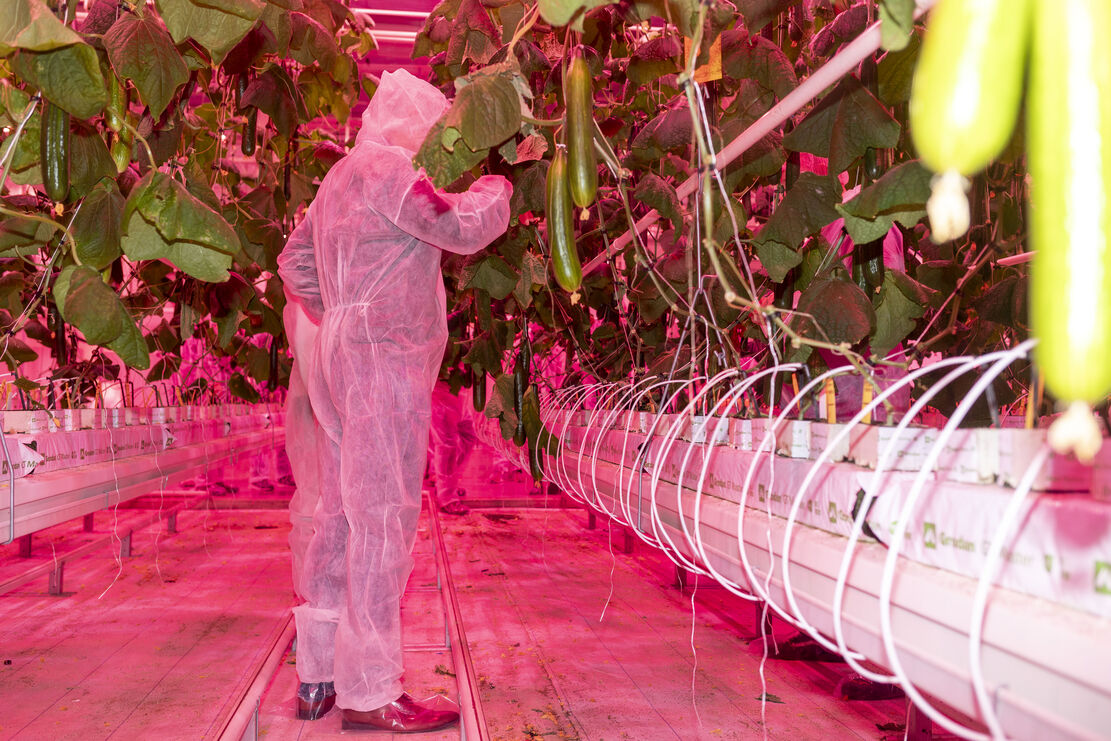
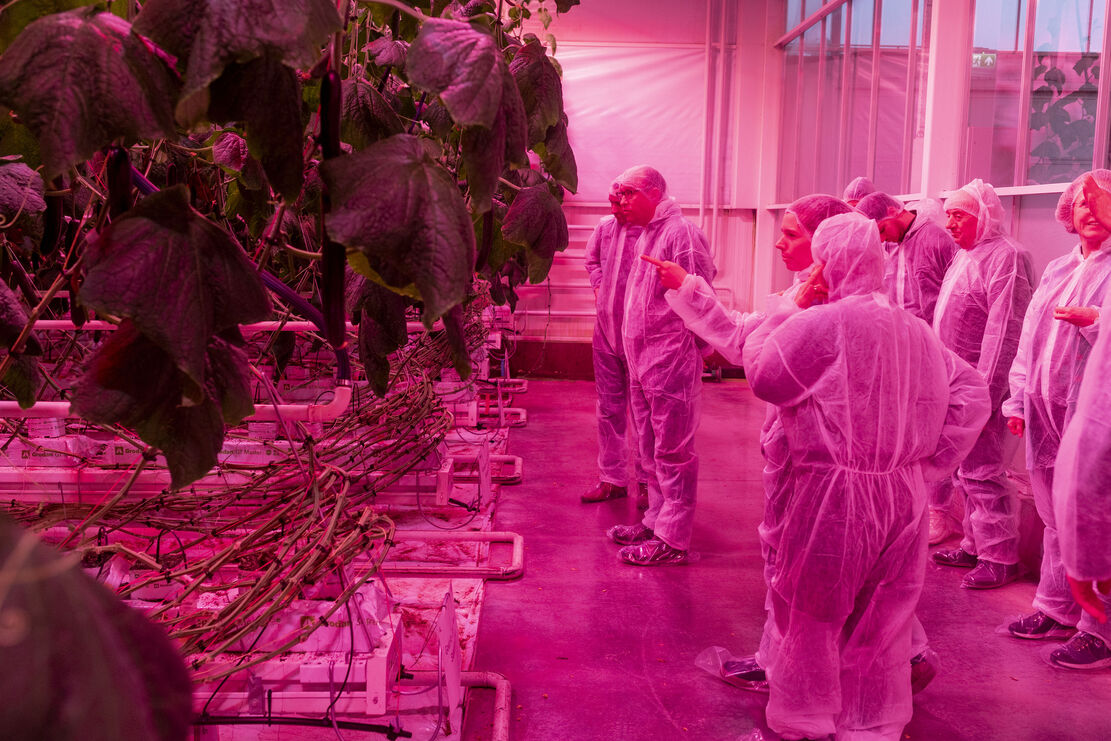
Afterwards, during a guided tour of the Botany Group’s research greenhouses, participants gained fascinating insights into current experimental series. Practical applications were demonstrated here, impressively showing how research results can be directly translated into agricultural practice.

Following an open and stimulating discussion, Birgit Teunissen bid farewell to the guests. The meeting was regarded by all those involved as highly informative and engaging – not least because of the multitude of innovative developments currently shaping the SenSpores project.

Botany 001
Botany 002

SenSpores on WDR television

Research meets practice

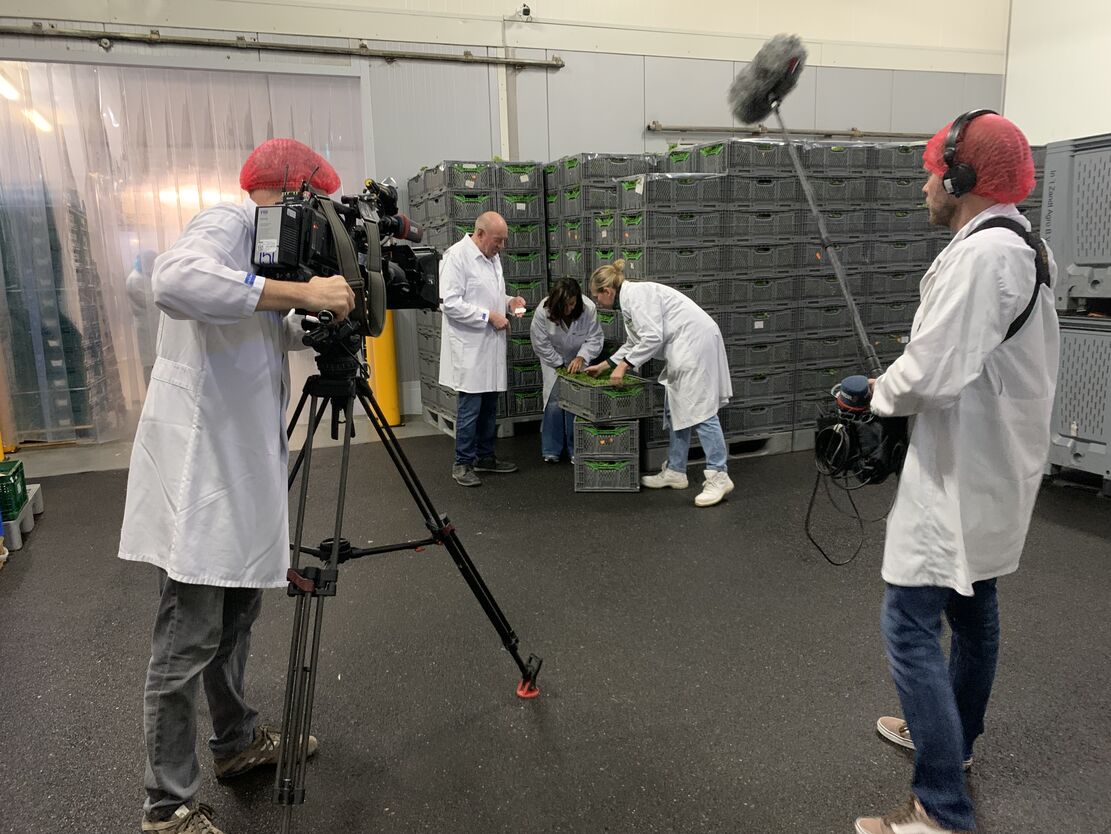
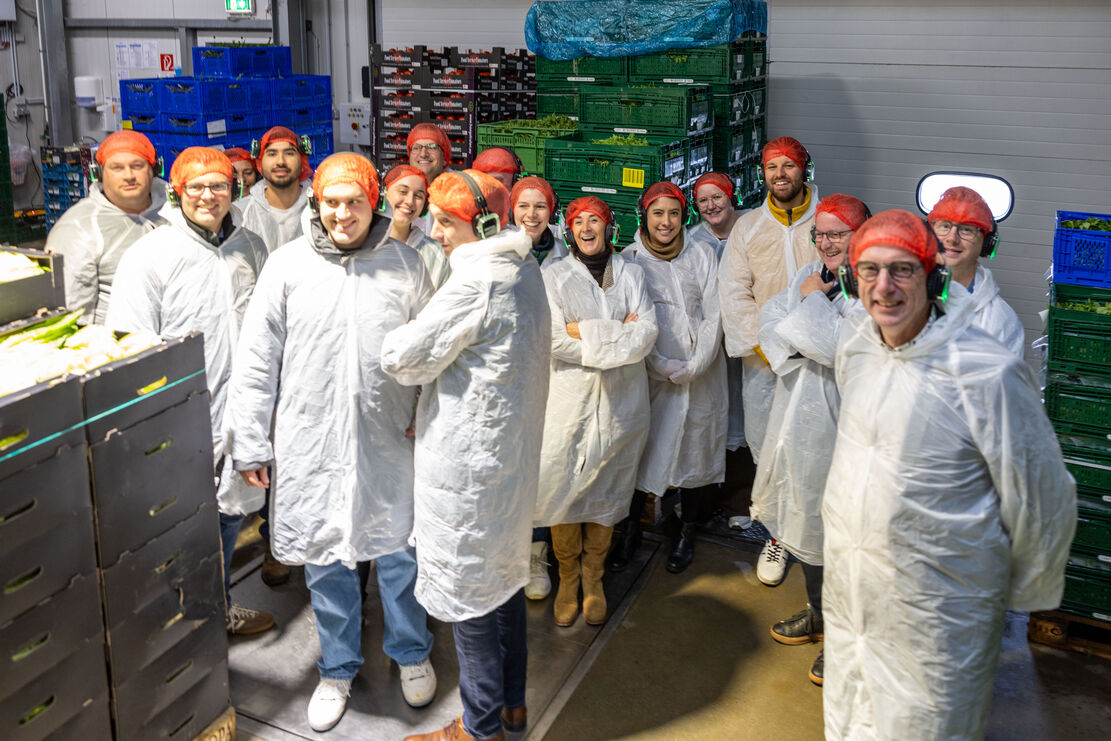
A camera crew from Westdeutscher Rundfunk (WDR), under the editorial direction of Helge Drafz, documented the work carried out as part of the SenSpores research project at two project partners’ sites.

Filming took place both at Heinz Funken GmbH & Co. KG and in the microbiology laboratory at the Hochschule Niederrhein in Mönchengladbach. At Bauer Funken, the team documented ongoing production and demonstrated how important the precise and early detection of microbial contamination is for food safety. The biosensors developed as part of the project are intended to enable rapid and with a strong practical orientation quality assurance here in future.

In the university’s laboratory, the scientific foundations of sensor development were presented, including the cultivation of relevant moulds and the preliminary microbiological tests for the development of the biosensors.

The report was broadcast on 17 July 2025 on WDR Lokalzeit and was supplemented by a live interview offering further insights into the scientific and practical aspects of the project.

WDR film shoot: Funken

Food for Thought: Expo 2025

SenSpores at the Ideenfutter Expo 2025: Strong interest from industry professionals and a successful exhibition presence provide fresh impetus for new sensor applications

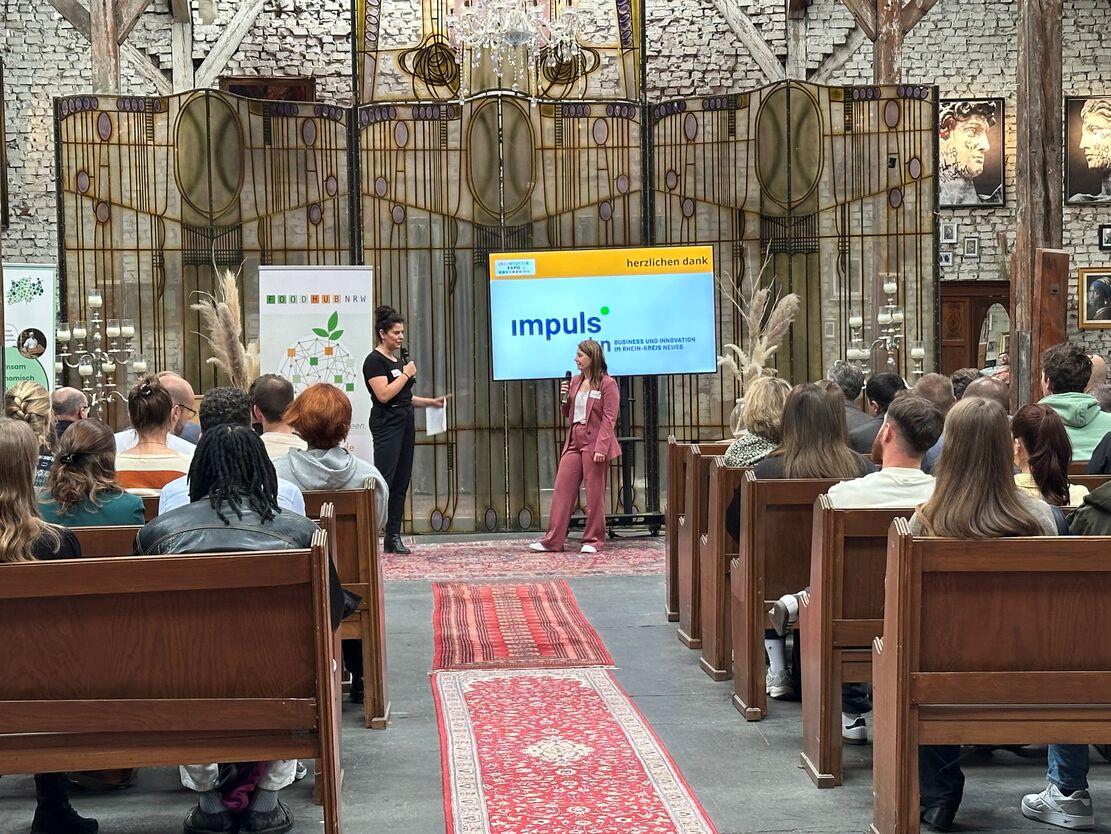
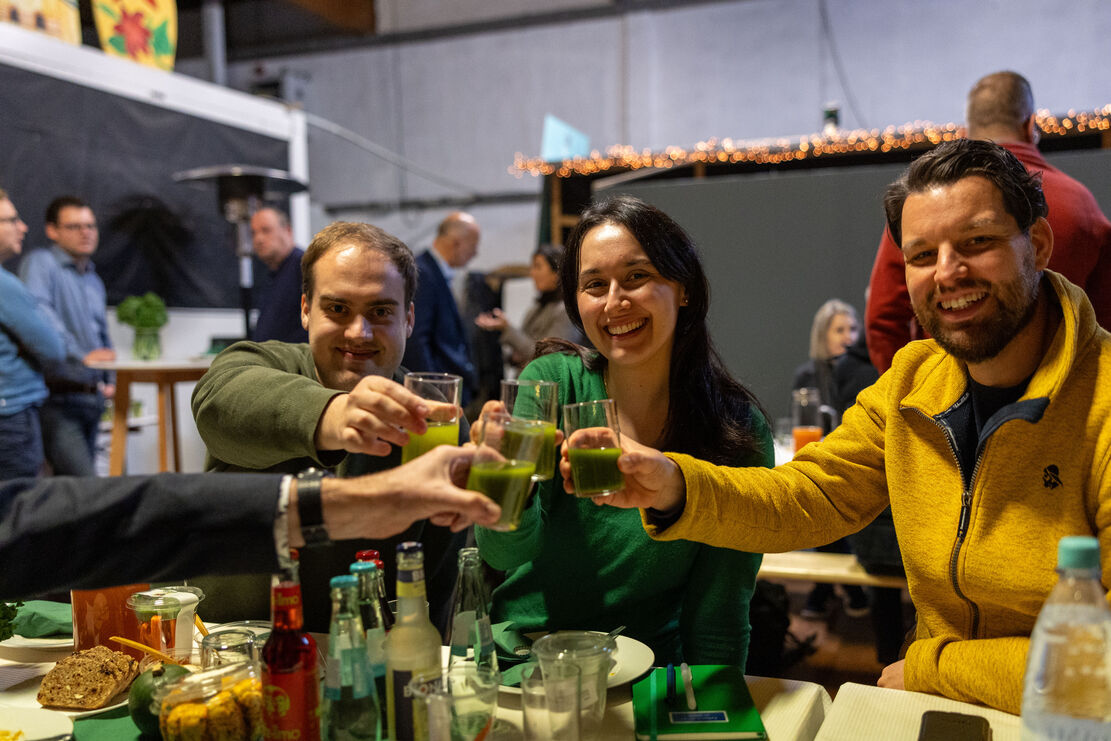
Neuss, 24 September 2025 – The SenSpores project exhibited at the Ideenfutter Expo 2025 at the Gare du Neuss and also presented its technological approaches in a specialist talk. The presentation met with a very high level of interest: in numerous discussions with representatives from industry, start-ups, research and the funding and investment sectors, requirements from practice were discussed and concrete starting points for further development steps were identified. Among other things, the detection of Legionella emerged as a particularly relevant potential area for future work – a field of application that is to be explored for further developments in sensor technology.

With over 50 exhibitors and around 350 visitors, the Ideenfutter Expo 2025 brought together key players working on solutions for a sustainable, climate-neutral and more resilient agricultural and food sector. The event was organised by the Foodhub NRW association with the support of the economic development agency impuls.RheinKreisNeuss. The Expo covered a broad spectrum of topics – from the circular economy and AgTech to novel foods and regional value chains.

Through its presence at the event, SenSpores was not only able to further raise the project’s profile within the innovation ecosystem of the food and agricultural sector, but also to gather specialist insights from the market. The feedback received will be incorporated into the next work packages – in particular, into the assessment of additional application scenarios and requirements for the sensor technology.

Ideas Expo

Project meeting at Heinz Funken GmbH & Co. KG GmbH

On 31 October 2025, another project meeting was held for the Interreg project SenSpores took place at Funken GmbH – and the Funken team organised an extremely successful and informative day for all those involved.

Following a warm welcome from Georg Funken, the participants were given a fascinating insight into the company’s impressive development: from a farm to a modern enterprise with almost 200 employees today.

Project manager Andrea Finken then welcomed the guests and presented the milestones achieved in the areas of project management and public relations. Particular emphasis was placed on the significant media attention the project has received to date – including a WDR feature on the ‘Aktuelle Stunde’ programme featuring a live interview. She also provided an outlook on the next steps in the project: the focus is now on transferring the findings obtained on a laboratory scale to the respective matrices of the user farms.

The project partners then presented their progress on their respective work packages. The results demonstrate the project’s ongoing development and the successful collaboration between all those involved. Following a joint lunch, participants gained valuable insights into workflows and production processes during a guided tour of Funken GmbH.

In conclusion, it became clear once again just how important these face-to-face meetings are for the project’s success: direct exchange fosters understanding between the partners, generates new ideas and strengthens the project’s momentum. The meeting at Funken GmbH was therefore an important step for the upcoming project phases.

Spark 001
Sparks 002

Project meeting at Maastricht University

From the laboratory to practical application: SenSpores demonstrates measurable progress in Maastricht

At the SenSpores project meeting at Maastricht University, the project partners came together to share the current status, coordinate their efforts and plan the next steps together. Bart van Grinsven (project manager, Maastricht University) and Martijn Spaargaren (Euregio) welcomed the participants and highlighted the project’s progress as well as the cross-border collaboration. Project Manager Andrea Finken provided an update on the progress made, highlighted important upcoming deadlines relating to finance and reporting, and introduced new event formats which have been further strengthening exchange within the consortium since January.

From a technical perspective, Maastricht University presented the current status of the sensor platform. In the laboratory, the production of MIP-based sensors (Molecularly Imprinted Polymers) was demonstrated and the next steps in development were discussed.

The progress was also made visible in practice through experiments conducted by Ruhr University Bochum: RUB demonstrated the electrochemical detection of bacterially produced silver particles (Ag⁰): Following incubation with AgNO₃, the particles are adsorbed onto low-cost screen-printed electrodes (SPEs) and subsequently detected by a potentiostat via electrochemical dissolution; the analytical signal is the current measured during this process. SPEs enable rapid, reproducible measurements with good sensitivity.

Sensip-dx (NL partner) explained the transition towards practical application, outlining principles for scaling up and mass production. Further steps are linked to the current stage of development of the MIP-based sensors, with the aim of integrating them into a readout device for reproducible measurements. In addition, Yookr outlined a cloud-based approach to data processing and data analytics, with a view to evaluating measurement data in a structured and scalable manner in future.

To conclude, the partners were given a brief insight into the cross-border Einstein Telescope project, an excellent example of internationally recognised cutting-edge research in the region.

For SenSpores, the meeting delivered one thing above all: clarity on the next steps and prioritised tasks for the coming 18 months – and it reaffirmed the strong team spirit within the consortium, in which all partners actively contribute their expertise and work consistently towards the project’s shared success.

Maastricht 001

If you have any questions about the project or would like further information, we are here to help:

Project Management

Andrea Finken
Project management SenSpores

Project Assistant

Tanja Damm
Assistant Project SenSpores
Consulting
Accessibility