
GEMIT
Institute for Business Process Management and IT

Hochschule Niederrhein. Your way.

Current Research Projects

DigiMach

Project description

The DigiMach (Digital Machining) project addresses the uneven digitalisation and fragmentation of expertise in the mechanical engineering sector in the Meuse-Rhine region. With the departure of experienced specialists and dwindling skills, regional industries risk losing competitive advantages and crucial expertise. It aims to improve the digital skills of 150 SMEs through accessible tools, targeted training and support. 20 pilot projects will validate these solutions in real-life environments and increase efficiency for regional manufacturers. DigiMach pools expertise from Dutch, German, Flemish, Walloon and German-speaking East Belgian partners to tackle common challenges, strengthen competitiveness and counteract skills loss through knowledge transfer and upskilling.

DigiMach is funded by the Euregio Meuse-Rhine Interreg programme and has a budget of 3.66 million euros, 50% of which is co-financed by the European Regional Development Fund (ERDF), with support from public and private partners. By integrating AI, IoT and robotics, the project improves data-driven decision-making, reduces costs and promotes sustainable growth under Specific Objective SO 1.i, focussing on innovation capacities and technology adoption. DigiMach's holistic approach includes needs analyses to tailor digital tools and training to the challenges of SMEs. A multilingual digital platform supports the cross-border exchange of knowledge, secures expertise and strengthens regional competitiveness.

Funding

Interreg Meuse-Rhine (NL-BE-DE)

Partners

Sirris, het collectief centrum van de technologische industrie, Technifutur, Basse-Meuse développement asbl, WFG Ostbelgien VoG, Maastricht University, Centre de Recherches Métallurgiques asbl, ITA Academy GmbH, Campus Heerlen Management & Development BV

Duration

01.09.2025 - 31.08.2028

Prof. Dr. Kathleen Diener
Business Informatics, Digital Innovation
Business Informatics, esp. Data Engineering Academic Director DigiLab
Sabine Molls, M.A.
Research Assistant GEMIT Institute
Slim Laifi, B.Sc.
Graduate Assistant DigiMach Project
To the DigiMach Website

CareProMine Outpatient

Project Description

The CareProMine Ambulant project aims to make outpatient care more efficient and effective through the use of modern technologies such as wearables and process mining. Continuous data collection enables a detailed analysis of existing care processes in order to identify bottlenecks, eliminate inefficiencies and uncover potential for automation. One specialisation is increasing process efficiency and effectiveness by increasing qualitative interaction times and improving decision-making for nursing staff through data-based support systems. Experts from the fields of care, process analysis and technology development are working together to develop innovative solutions that can be optimally integrated into everyday care.

A central aspect of the project is user-centredness: the technologies developed should be easily accepted and used by both carers and those in need of care. This is ensured through participatory design and continuous feedback mechanisms. The aim is to increase the satisfaction of all those involved and to strengthen carers' confidence in their work. In the long term, the project should help to improve the quality of outpatient care and efficiently meet the challenges of demographic change.

Funding

DATIpilot Innovation Sprint (Module 1), Federal Ministry of Education and Research (BMBF)

Partners

Franziskusheim gGmbH

Duration

01.09.2024 - 28.02.2026

Project responsibility and employees

Prof. Dr. Kathleen Diener
Business Informatics, Digital Innovation
Business Informatics, esp. Data Engineering Academic Director DigiLab
Sinem Celik
Research assistant, Project CareProMine and InnoLoop
Abdullah Shams
Academic staff, Project staff GEMIT
To the CareProMine website

BREAKING UP

Programme description

AUFBRUCH is an interdisciplinary doctoral programme that deals with central issues of a sustainable bioeconomy in the Rhenish mining area. The aim is to gain a better understanding of the challenges and potential of bioeconomic transformation processes through interdisciplinary research and to derive long-term impulses for application-orientated solutions.

The cluster pursues three overarching goals: the qualification of well-trained specialists who actively shape change in the region; the development of technological innovations that combine ecological and economic sustainability; and the promotion of entrepreneurial approaches from which sustainable start-up ideas can emerge.

The Hochschule Niederrhein has three departments working together on AUFBRUCH. Prof Dr Beckmann, who heads Innovation Area 5, Prof Dr Krehl and Prof Dr Bergstedt are involved. Doctoral students and supervisors from different disciplines work closely together to contribute to the bioeconomic transformation from different perspectives.

AUFBRUCH thus sees itself as a structurally effective element in the transformation process of the Rhenish mining area with the aim of creating scientifically sound and at the same time practice-relevant findings for a sustainable economy.

Funding

Federal Ministry of Education and Research

Partners

RWTH Aachen University, Aachen University of Applied Sciences, Dortmund University of Technology, CLIB - Industrial Biotechnology Cluster, Heinrich Heine University Düsseldorf, Jülich Research Centre, Cologne University of Technology

Duration

01.04.2024 - 31.03.2028

Project responsibility and employees

Prof. Dr.-Ing. habil. Holger Beckmann
General Business Administration, specialisation: Purchasing and Logistics in Industrial Engineering and Management
Maximilian Hummel, B.Sc.
Academic staff, GEMIT Institute

KPF Industr_I4.0

Description

The INDUSTR_I4.0 small project fund specifically supports small and medium-sized enterprises (SMEs) in the German-Dutch border region in order to drive forward the digital transformation in industry and the skilled trades sector. Unlike many programmes, INDUSTR_I4.0 is not aimed at technological pioneers, but at the broad mass of SMEs that have hardly benefited from Industry 4.0 technologies to date. Despite growing digital opportunities, according to Radboud University, only 15% of entrepreneurs utilise advanced technologies. Many digital developments remain isolated, with no connection to other solutions - a challenge that is causing smaller companies in particular to fall behind.

With a funding volume of 10 million euros, around 80 innovation projects and 80 feasibility studies are to be realised that focus on specific applications of digital technologies - such as AI to optimise products and business processes. The aim is to support up to 200 companies in their entry into the digital transformation. Close cooperation between German and Dutch partners is a prerequisite for this. The project is being carried out as part of the Interreg VI Germany-Netherlands programme and is co-financed by the EU and numerous regional ministries and provinces.

Funding

Interreg VI Germany - Netherlands

Partners

Oost-NL, TCNN Technology Network, Emsland GmbH, MCC Cluster e.V, FH-Münster, Hoogeschool Saxion, TAFH Münster, BOM

Duration

01.01.2024 - 31.12.2027

Project responsibility and employees

Asst. Prof. Dr. Senem Yazici
GEMIT Institute, Digital Innovation Lead: InnoLoop Business Administration and Economics, specialisation: strategy and corporate management, organisational culture and information management
Jan Langen, M.Sc.
Academic staff, GEMIT Institute
To the KPF Industr_I4.0 websit

InnoLoop

Project description

The InnoLoop project focuses on supra-regional technology transfer and thus sponsors innovation and digitalisation projects in SMEs as well as the qualification and know-how of employees in industry in the German-Dutch border region. It builds on the activities of the predecessor projects DigiPro, IPro-N and Digitrans, which created a bridge between German and Dutch stakeholders from 2017 to 2022 and established a network to support SMEs in the programme area in the development of digital innovations.

By building a shared knowledge base, InnoLoop promotes the innovation potential of all stakeholders involved in the transfer process and opens up new opportunities for value creation. The central instrument is German-Dutch model innovation projects focussing on high-tech technologies such as industrial robotics, artificial intelligence, IoT, additive manufacturing and virtual reality. In addition to technology development, the project partners benefit from intensive technical support in technology transfer. InnoLoop is also further developing a learning, cross-border innovation ecosystem that networks expertise and players on both sides of the border, synergistically integrates existing regional initiatives, networks and clusters and integrates all relevant sectors from research and development to industry. A web portal supports this process with practical information such as guidelines, tools and partner mediation.

Funding

Interreg VI Germany - Netherlands

Partners

Oost NL, universities of applied sciences Münster, TCNN, Milliarum, Saxion, MCC, Emsland GmbH

Duration

01.12.2023 - 30.11.2027

Project responsibility and employees

Asst. Prof. Dr. Senem Yazici
GEMIT Institute, Digital Innovation Lead: InnoLoop Business Administration and Economics, specialisation: strategy and corporate management, organisational culture and information management
Business Informatics, esp. Data Engineering Academic Director DigiLab
Jan Langen, M.Sc.
Academic staff, GEMIT Institute
Andrea Nio
Research Assistant, Institute Assistance GEMIT
Sinem Celik
Research assistant, Project CareProMine and InnoLoop
To the InnoLoop website

SpoHF

Description of the project

Digitalisation is playing an increasingly important role in the agricultural and food sector. Some farms are already using digital applications to produce more sustainably and to a higher standard of quality and to organise work processes more efficiently. The "Sustainable Production of Healthy Food (SPoHF)" project was launched to specifically promote this change in the Euregio. Unlike many comparable initiatives, SPoHF focuses not only on economic efficiency and yield optimisation, but also on ecological aspects and improving product quality in terms of healthy nutrition.

The project focuses on fruit and vegetable cultivation, both in greenhouses and outdoors. To improve quality in a targeted manner, individual plants are monitored using digital twins, which enables both physical and digital control. Based on these twins and by using artificial intelligence, both the current condition of the plant and the potential effects of measures such as irrigation or lighting can be simulated, automatically suggested and monitored. In particular, energy-saving measures for humidity regulation, lighting, pest control and the more precise utilisation of weather data are being investigated. The effectiveness of these measures is verified by laboratory and on-site analyses of product samples. In this way, SPoHF enables more sustainable and targeted cultivation of healthy agricultural products.

Funding

Interreg VI Germany - Netherlands

Partners

AppComm, Brightlabs, Compas Agro, Fontys Venlo, ProcEvolution, Vitarom, Yookr

Duration

01.12.2023 - 30.06.2027

Project responsibility and employees

Business informatics, especially software development
Rebecca Maria Ries, Dipl.-Logist.
Research assistant, GEMIT project collaborator
Maximilian Hummel, B.Sc.
Academic staff, GEMIT Institute
Jan Langen, M.Sc.
Academic staff, GEMIT Institute
Andrea Nio
Research Assistant, Institute Assistance GEMIT
To the SpoHF website

TransBiB

Project description

As part of the nationwide project TransBiB - National Transfer and Acceleration Network Industrial Bioeconomy, GEMIT is working on the sub-project "Creation of the knowledge repository for scaling, networking and transfer". The aim is to accelerate the transformation of industry and society in terms of the industrial bioeconomy. To this end, a central, digital knowledge repository is being set up that systematically collects, evaluates and makes available existing expertise on innovative bio-based approaches.

The cross-national pooling of knowledge and close cooperation with relevant initiatives, boards and committees and networks will create an effective transfer and networking tool. This knowledge repository is intended to serve as a foundation course for the coordinated scaling of bio-based technologies and promote the rapid transfer to practical industrial applications. The project thus makes an important contribution to the nationwide networking and strengthening of the industrial bioeconomy in Germany.

Funding

Federal Ministry for Economic Affairs and Energy

Partners

TU Munich, BIOPRO, TH Rosenheim, Rhine-Neckar Metropolitan Region, BioCampus Straubing, CLIB, PHS, TechnologieRegion Karlsruhe, DBFZ, SKZ, RWTH/DWI, Biberach University of Applied Sciences, University of Greifswald, LUH

Duration

01.12.2023 - 30.11.2025

Project responsibility and employees

Prof. Dr.-Ing. habil. Holger Beckmann
General Business Administration, specialisation: Purchasing and Logistics in Industrial Engineering and Management
Thomas Waaden, Dipl.-Wirt.-Ing. (FH), M.Sc.
Academic staff, Project staff GEMIT
To the TransBiB website

Realise Bio

Project description

The Realise-Bio project sponsors innovative forms of biomass use in the German-Dutch border region and thus contributes to the development of a circular bioeconomy and circular economy in the INTERREG area. It builds on the activities of the predecessor project CIRCULAR-BIO (2019-2022), which established a cross-border network and supported small and medium-sized enterprises (SMEs) in the sustainable utilisation of biomass. The central instrument in Realise-Bio are model projects that are awarded to German-Dutch cooperations and focus on the further technological development of the circular use of biogenic residual and side streams. This is complemented by intensive coaching of the partners involved in the realisation of their project ideas.

In addition, Realise-Bio will create a cross-border ecosystem for the bioeconomy and circular economy in order to optimally network expertise and players on both sides of the border. The aim is to integrate all relevant areas - from research and primary production to the food and animal feed industry, chemicals, construction and waste management through to municipal players - into the sustainable development and utilisation of biogenic raw materials.

Funding

Interreg VI-A

Partners

CLIB - Cluster Industrielle Biotechnologie e.V (Lead), 3N Kompetenzzentrum e.V., Brightlands Campus Greenport Venlo, Gemeente Venray, LLTB Belangenbehartiging, Universiteit Maastricht (AMIBM), USV Agrar - Unternehmensberatung & Sachverständigenbüro Dr. A. Becker

Duration

01.01.2023 - 31.12.2025

Project responsibility and employees

Prof. Dr.-Ing. habil. Holger Beckmann
General Business Administration, specialisation: Purchasing and Logistics in Industrial Engineering and Management
Rebecca Maria Ries, Dipl.-Logist.
Research assistant, GEMIT project collaborator
Thomas Waaden, Dipl.-Wirt.-Ing. (FH), M.Sc.
Academic staff, Project staff GEMIT
Abdullah Shams
Academic staff, Project staff GEMIT
To the Realise Bio website

Blauhaus Talk Event Series

The GEMIT Institute organises the annual "Blauhaus Talk". As part of this event, current projects and research results are presented, workshops are held, specialist lectures and panel talks are given and networking opportunities are offered.

Find out more about our past events here and look forward to the announcement of the Blauhaus Talk 2026!


Programme Items of the Blauhaus Talk 2025

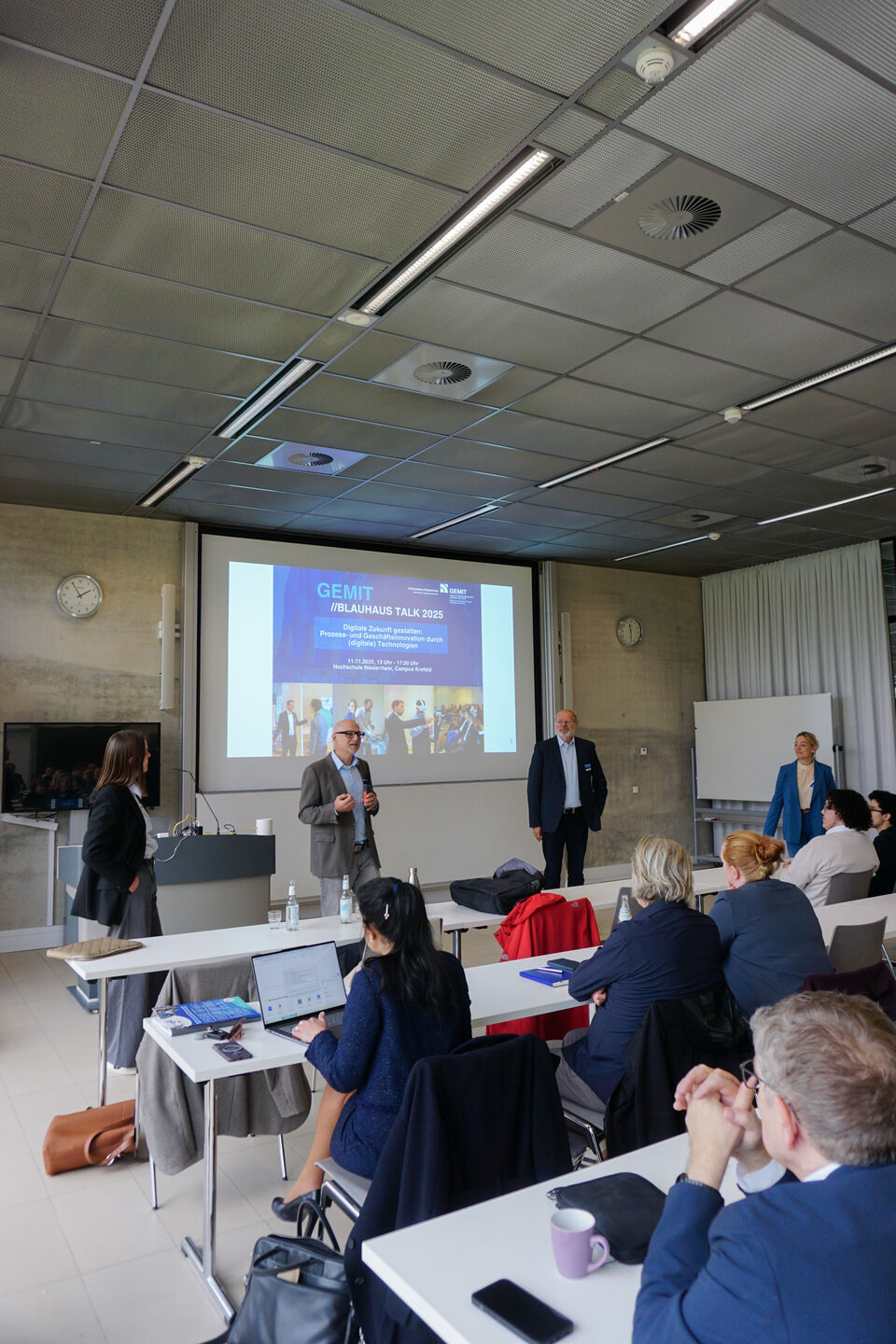
Prelude to the Event

After a joint lunch and initial networking discussions, Professor Dr Pernice, Dean of the Faculty of Industrial Engineering, opened the event with a welcome address. GEMIT institute directors Prof. Dr Holger Beckmann, Prof. Dr Kathleen Diener and Prof. Dr Kristina Rosenthal then introduced the event with an overview of the institute's current research projects and a keynote speech on AI in business process optimisation.

CareProMine
Parallel Sessions
Session A: Process Mining in Action

In this session, academic staff members Abdullah Shams and Sinem Celik presented the GEMIT research project "CareProMine-Ambulant", which, in collaboration with Franziskusheim gGmbH, aims to optimise the outpatient care process using process mining and a co-creative approach.

In the session, participants were given an introduction to process mining and learnt from a practical example what conclusions can be drawn from process mining for their own processes.

Parallel Sessions
Session B: Co-Creation Workshop

An innovation-orientated workshop was held in parallel: "Your input for the CIEL platform - Crossboarder Innovation and Business Ecosystem". The session began with a presentation of the "InnoLoop" project, which promotes cross-border cooperation between Germany and the Netherlands, by project manager Dr Senem Yazici.

Afterwards, academic staff member Jan Langen and project collaborator Max Schwarzbach conducted a workshop in which the participants worked together to develop new ideas for a platform to create a cross-border innovation ecosystem.

Micro Trade Fair
Current Research Projects

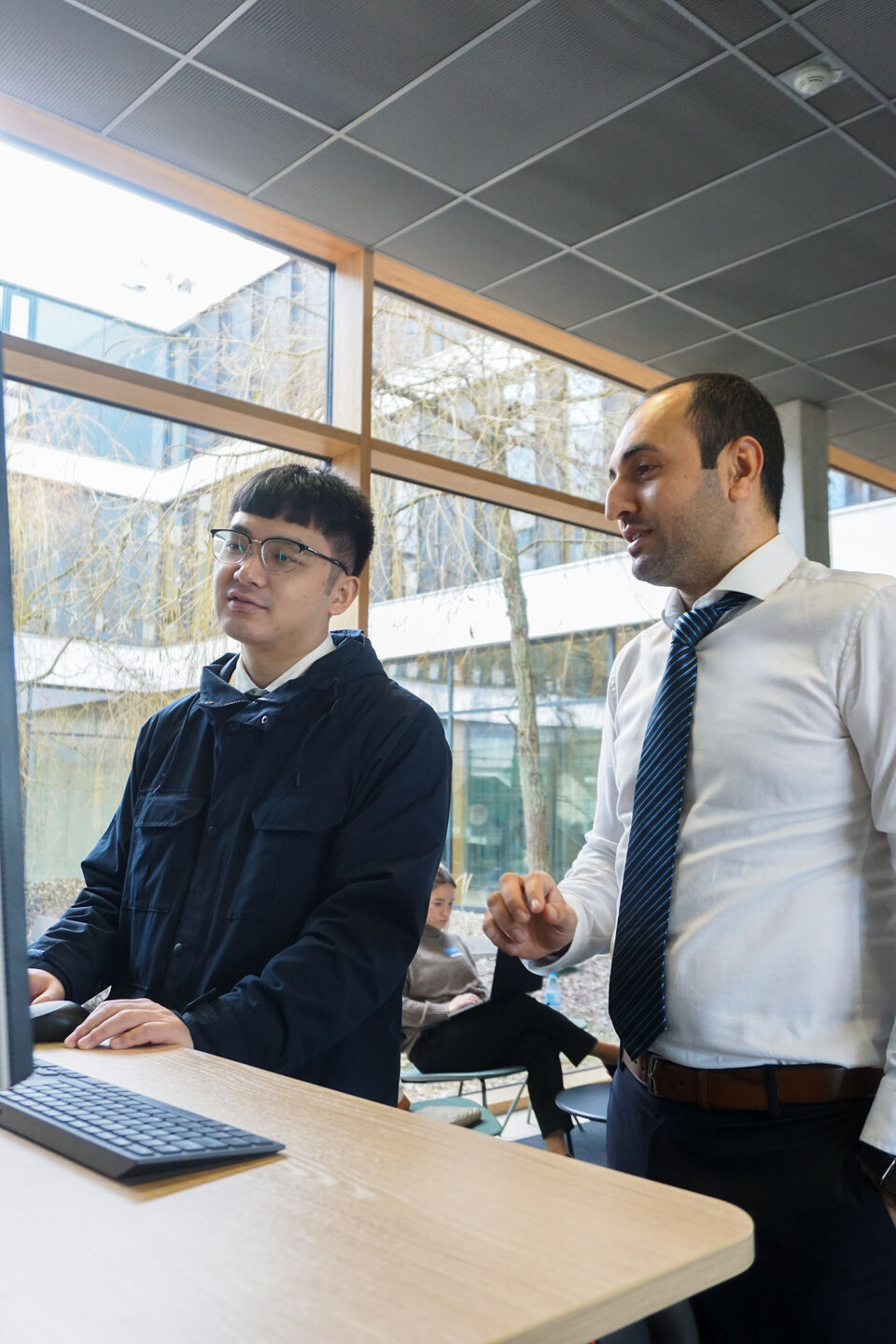
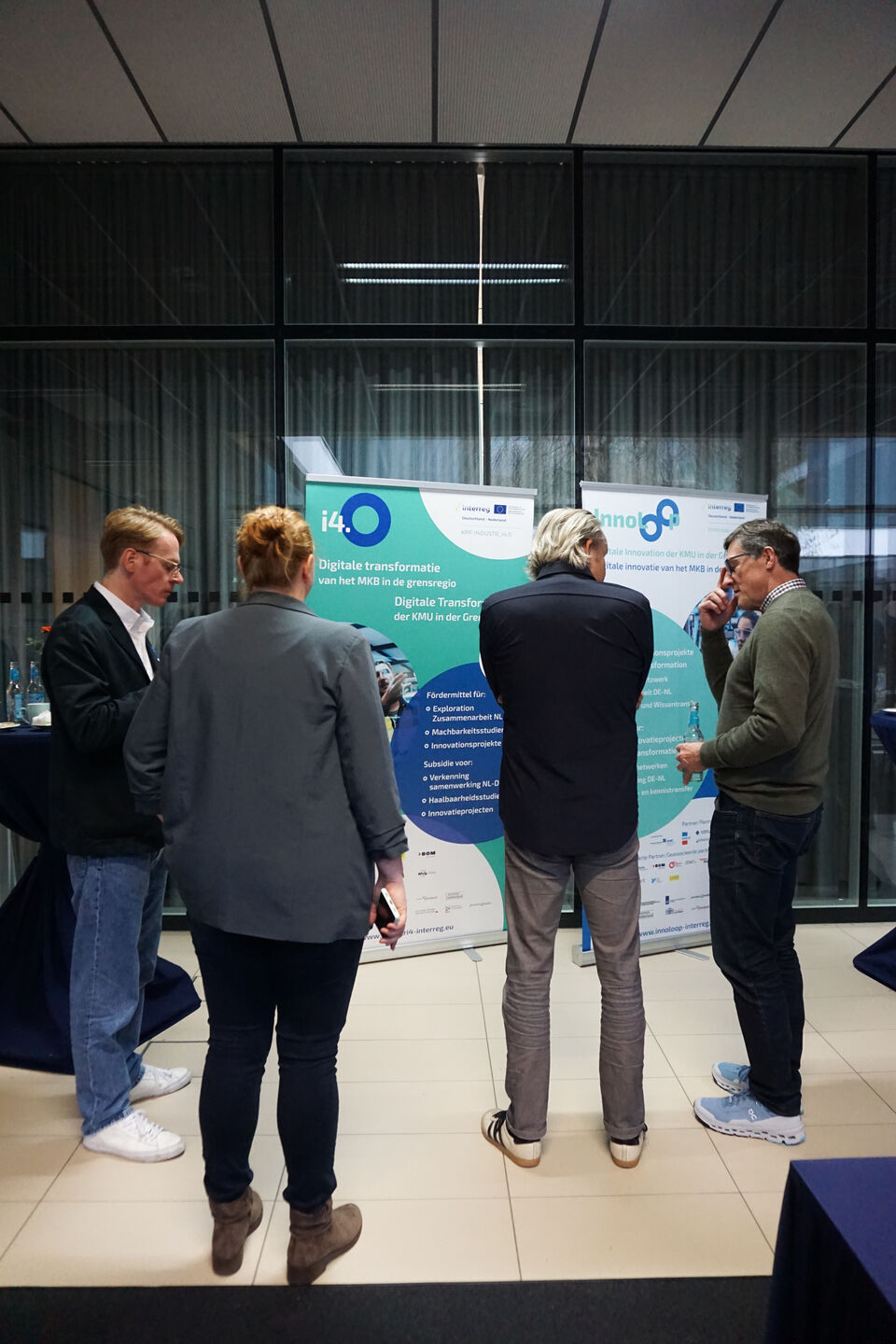
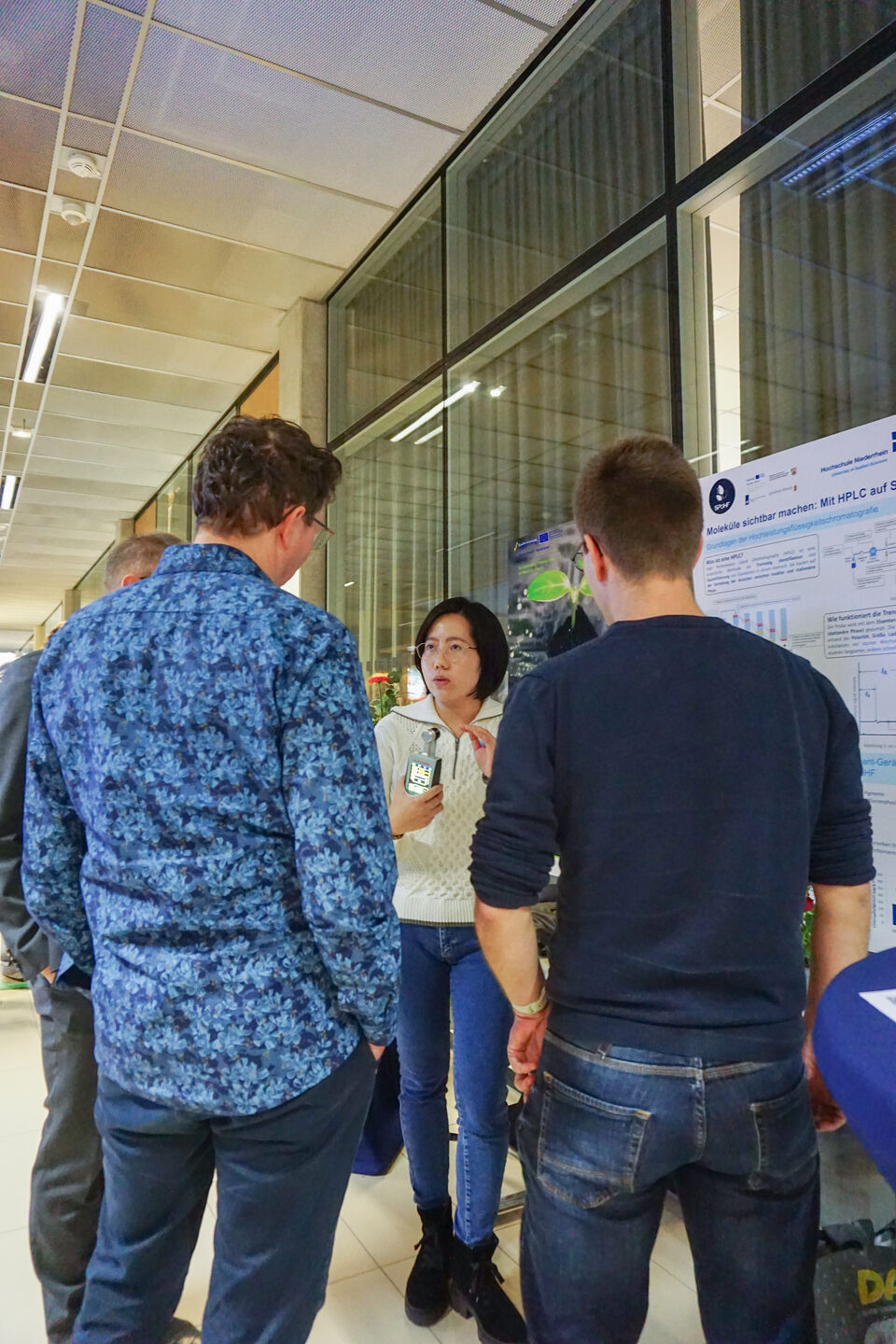
The micro fair opened in the late afternoon. Project teams presented current GEMIT research and transfer projects with poster exhibitions and live demonstrations.

Micro Trade Fair
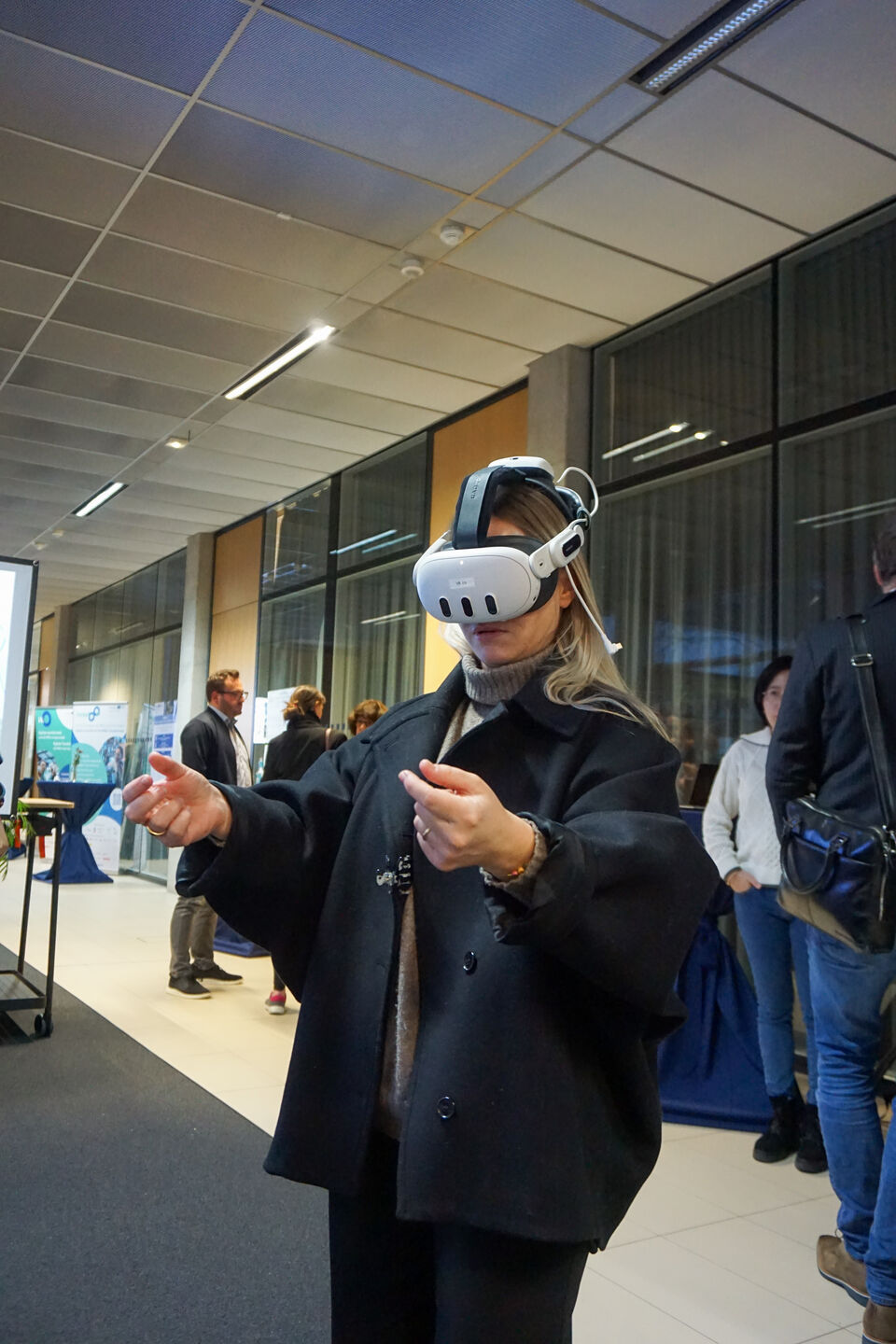
MXR-Lab

The MXR Lab, headed by Dr Lennart Hofeditz and Professor Kathleen Diener, presented two current XR projects and invited visitors to try out the technology for themselves with corresponding demonstrations.

Micro Trade Fair
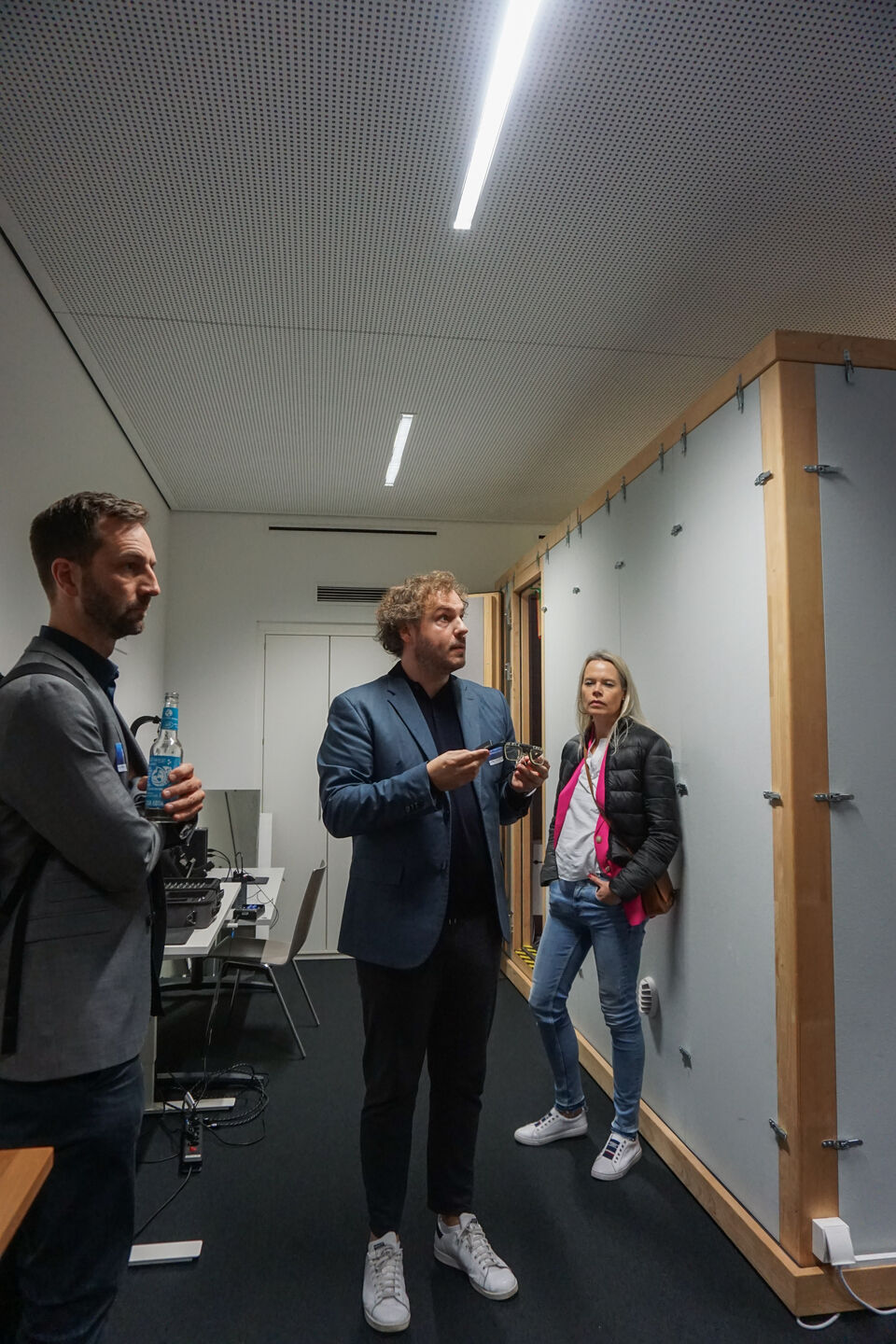
Guided tour through the HEP Lab

Professor Dr Pötters offered an interactive tour of the Human Factors Engineering & Production Lab (HEP Lab). Here, visitors were able to experience practical demonstrations of cobots and digital factory planning and familiarise themselves with innovative approaches to designing modern production systems according to Lean Six Sigma.

News from the Institute

Vice President for Research and Transfer
20 Million Euros in Research Funding

HSNR raises over €20 million in research funding in 2024!

The Hochschule Niederrhein raised a total of €21.5 million in third-party funding last year. 21 million euros went to research and transfer, while half a million euros went to teaching education.

Professor Dr Kathleen Diener, Vice President for Research and Transfer and Director of GEMIT: "Our researchers turn knowledge into impact - together with partners in the region and beyond. The fact that we were able to raise more than 21 million euros in third-party funding shows how practical science at The Hochschule Niederrhein provides concrete answers to pressing questions about the future."

This is the fourth time, after 2017, 2021 and 2023, that HSNR has already exceeded the 20 million mark. The largest share of third-party funding came from 46 publicly funded projects. Funding providers include the European Union, the federal government and the state of NRW. The HSNR received 1.1 million from the private sector for 43 projects. 

These funds are used to sponsor highly topical innovation topics in the food industry, circularity in the textile industry and social innovations, among others.

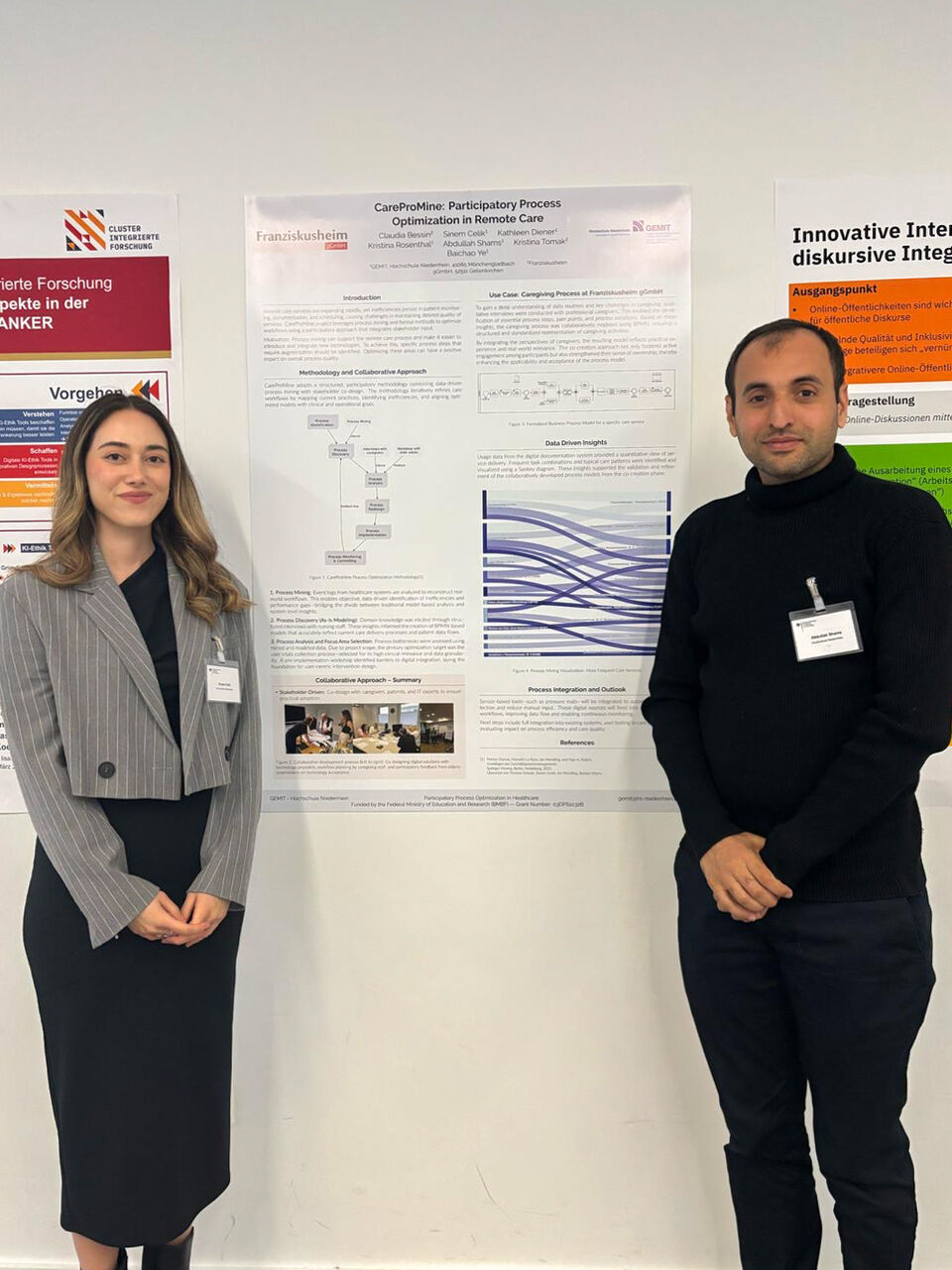
Sinem Celik and Abdullah Shams at the "Integrated Research" conference
5th "Integrated Research" Conference

Our employees Abdullah Shams and Sinem Celik presented our "CareProMine-Ambulant" project at the 5th conference of the Integrated Research Cluster. The conference provided a valuable opportunity to discuss the potential and challenges of open science and integrated research - and this is precisely where CareProMine comes in.

CareProMine is an application-oriented, participatory research project with the aim of sustainably improving outpatient care processes in collaboration with Franziskusheim gGmbH in line with the needs of carers, nursing staff and other stakeholders.

By combining data-driven process mining with a user-centred co-design approach, care processes are further developed from both a technical and a human perspective. Practical solutions are developed in workshops with carers and care recipients and through the use of smart sensor technology - with a special focus on technology acceptance and suitability for everyday use.

We would like to thank you for the open atmosphere and the insights into the topic of participatory research from the other projects - and look forward to taking the suggestions gained forward in CareProMine!

SpoHF project meeting
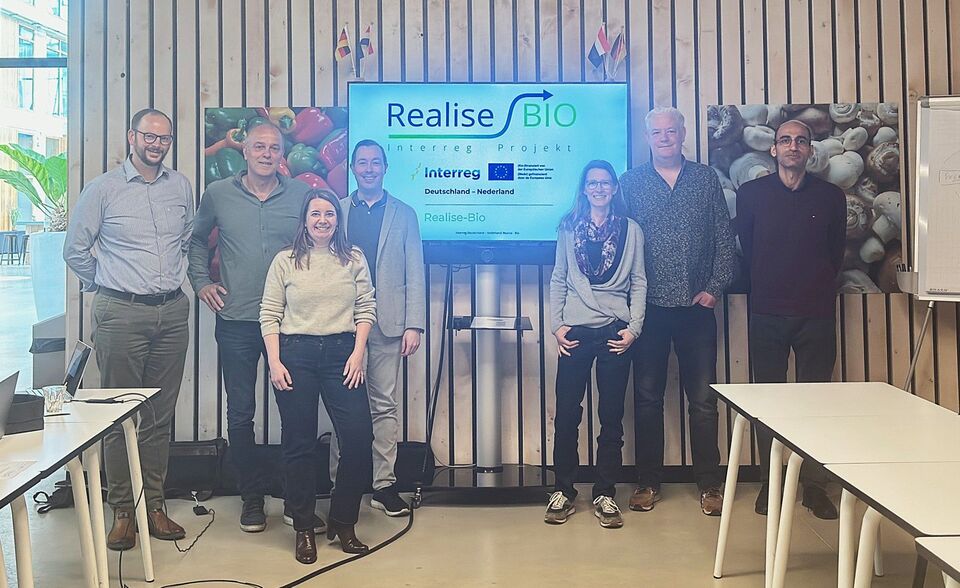
RealiseBio Project Partner Meeting

As part of the Interreg project RealiseBio, GEMIT is working with partners from Germany and the Netherlands on innovative solutions for the bioeconomy of the future. The aim is to utilise biogenic residues more efficiently, conserve resources and promote circular value creation.

At a recent project meeting, eight promising pilot projects were presented that show how cross-border cooperation contributes to the development of sustainable technologies. The solutions are not only relevant locally, as they can also be transferred to the international and, above all, European level.

A central topic was the role of laws and political framework conditions, as sustainable innovation requires not only technological ideas, but also supportive structures: legal clarity, market access and targeted sponsorship are crucial for advancing bio-based products.

Realise Bio emphasises that the bioeconomy is a key to healthy growth, green jobs and a sustainable economy. Specific recommendations are to be formulated and published by the end of the project.

SPoHF on the blueberry field
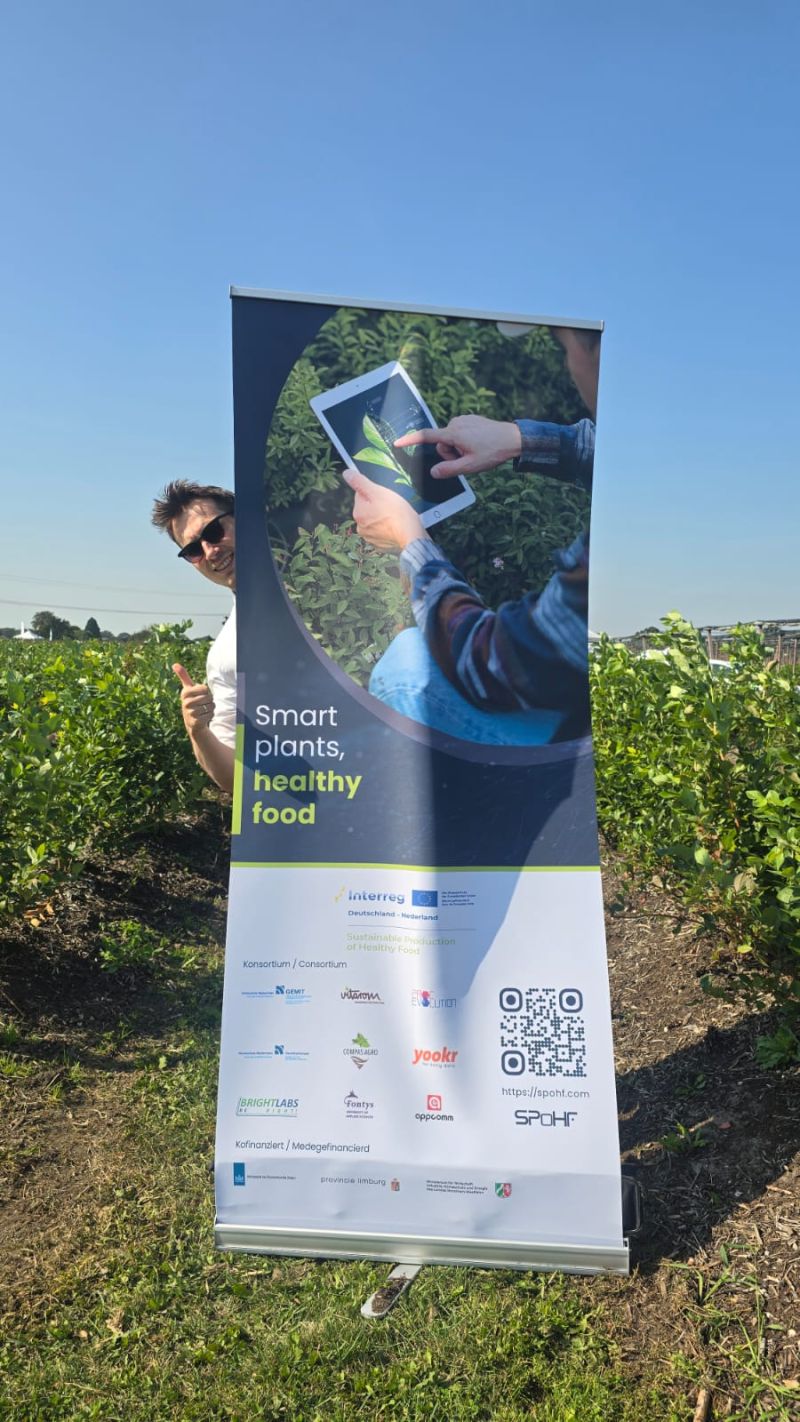
Start of the SPoHF Project Season

Our second growing season on the blueberry field - this time with even more data.

It's still quiet on the blueberry field, but not for long. The 2025 season is just around the corner and we are starting our second growing season. This year, we are even better prepared and are monitoring the entire process with sensors and digital analyses.

Flowering will begin in the coming weeks, followed by fruit development in May and June. The main harvest starts in July and August. Throughout the season, we test various fertilisation methods and irrigation strategies and measure the effects directly in the field. Our sensors record in real time the conditions under which the blueberries are currently growing.

This data flows directly into our digital twin in order to make more precise predictions for cultivation in the future. We are excited to see what insights we gain and how we can make blueberry cultivation even more sustainable and efficient.

Project meeting at the HSNR
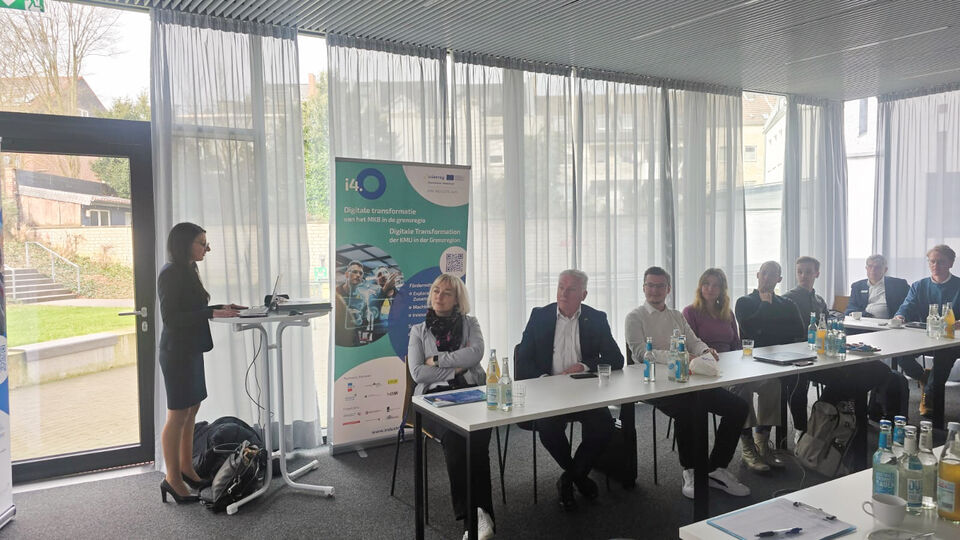
InnoLoop Annual Conference 2025

The first annual congress of our InnoLoop project took place on 20 February 2025. We were delighted to welcome our project partners from Germany and the Netherlands to The Hochschule Niederrhein!

Together, we looked back on our successful first year and exchanged views on current innovation projects and cross-border cooperation. Many thanks for the valuable contributions and updates from our project partners! Thanks to your great work, InnoLoop continues to grow as a strong innovation network across national borders.

The introduction to the Crossborder Innovation Ecosystem Locator platform "CIEL" to strengthen cross-border cooperation by Max Schwarzbach from Milliarum GmbH & Co. KG was also particularly exciting. We also welcomed our two associated partners Justus Schünemann and Fabian Wedding from NRW.BANK and the Chairman of the IHK Committee Dirk Unsenos. Martijn Spaargaren from Euregio Rhein-Maas-Nord also provided valuable input, thank you very much!

What's next?

  • The next innovation projects are starting - interested partners are welcome!
  • The CIEL platform for the cross-border exchange of information will be further developed.
  • We are planning new events & network meetings.
SpoHF Project Meeting

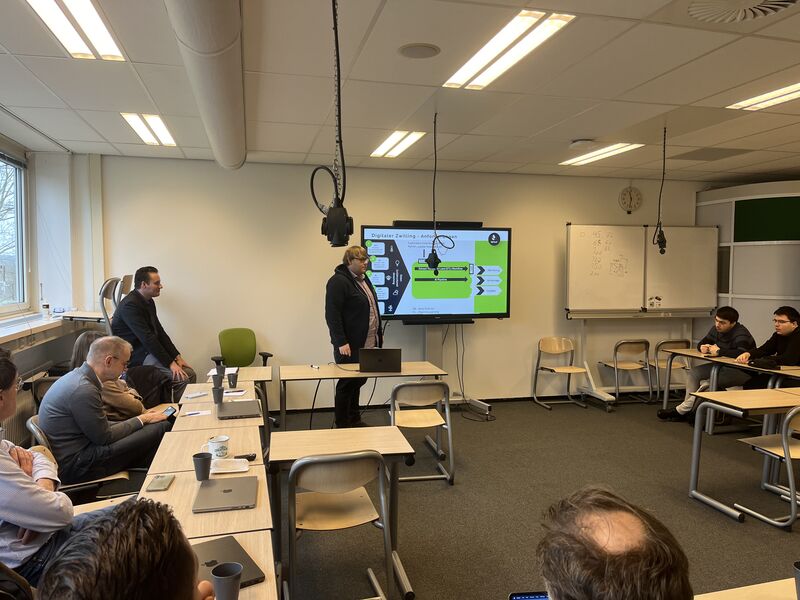
Project meeting at Fontys in Venlo: progress is being made in the SPoHF project!

The focus was on current developments in the work packages and presentations by students who presented their projects on aspects of the digital twin. Here in the picture you can see the presentation on the progress and challenges in designing the data structure for the digital twin. The volume and variety of data in particular is still a challenge for our IT companies. However, the diversity of approaches shows the potential of this technology for sustainable food production.

The collaboration between research, industry and practice is working well and we are seeing the progress we set out to make. At this stage, we have already installed most of the sensor technology in the blueberry field and in the greenhouse and are now very excited about the first analyses in the next growth phase.

A big thank you to everyone involved for the productive exchange. We are looking forward to the next steps.

CareProMine Project: Workshop

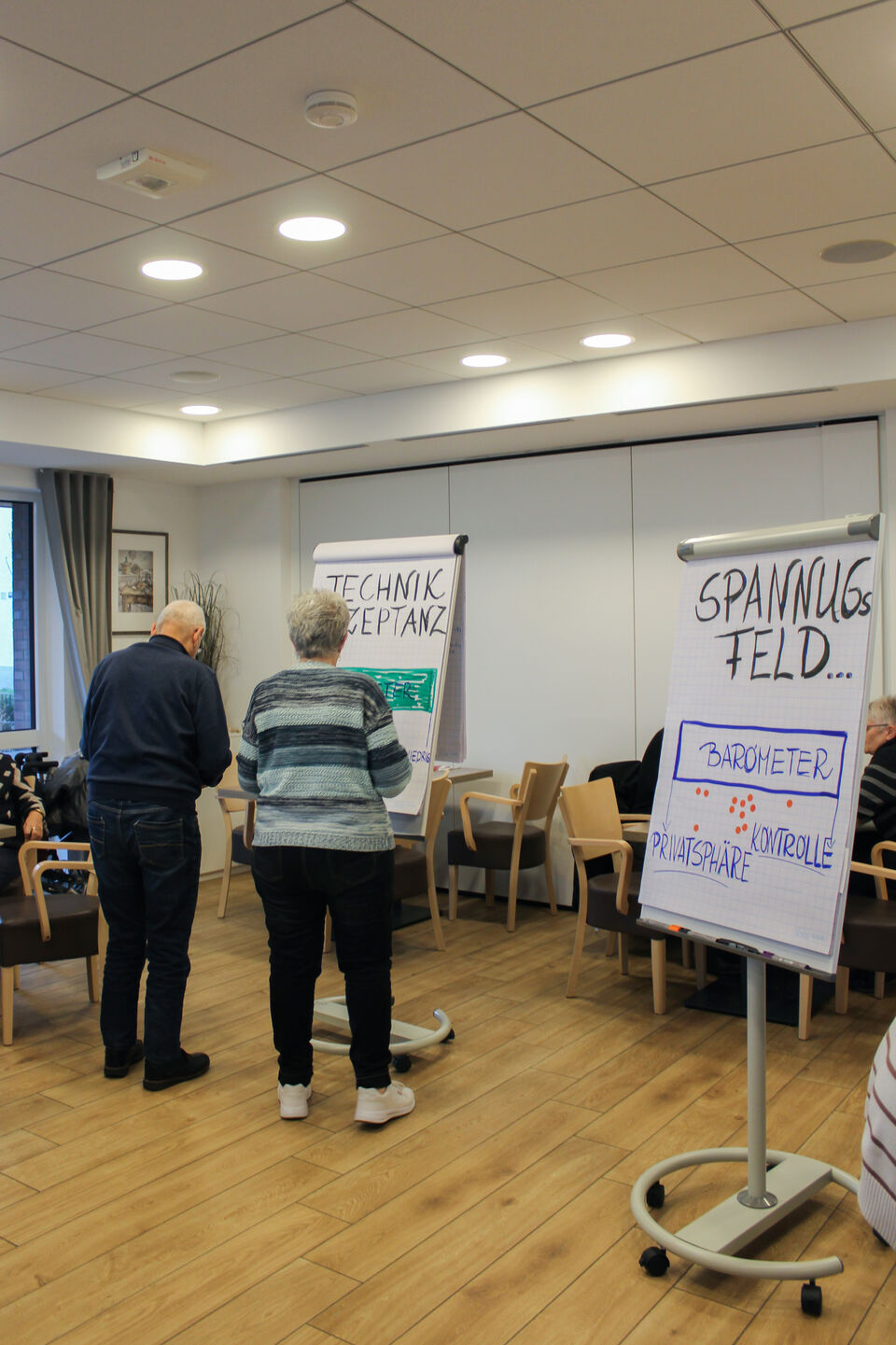
Workshop on technology acceptance with senior citizens at Franziskusheim Geilenkirchen

As part of the CareProMine-Ambulant project, we organised an exciting workshop with senior citizens to better understand their perspectives on modern technologies in care.

The CareProMine-Ambulant project in collaboration with Franziskusheim gGmbH focuses on the use of innovative technologies to make outpatient care more efficient and effective. Care processes are optimised through continuous data collection and analysis in order to relieve the burden on nursing staff and improve the quality of care.

A key success factor is the acceptance and user-friendliness of the technologies - both for carers and those in need of care. This is precisely where we come in with our participatory approach: Through direct dialogue and feedback, we design solutions that are practical and tailored to needs.

Our goals in the CareProMine-Ambulant project:

  • Make care processes more efficient
  • Improve decision support for carers
  • Strengthen acceptance of and trust in new technologies

The workshop provided valuable insights that will help us to combine technology and people in the best possible way. A big thank you to everyone involved!

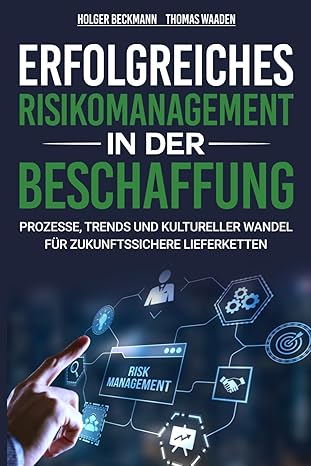
Successful risk management

Successful risk management in procurement: processes, trends and cultural change for future-proof supply chains

We are delighted that Professor Holger Beckmann (Head of GEMIT) and Thomas Waaden (Research Associate at GEMIT) have jointly published a book with a practical emphasis / orientation on the topic of "Risk Management in Procurement".

The book addresses key aspects: Process and strategy development in procurement, the cultural shift towards sustainable procurement, the role of technologies such as AI as well as specific case studies and tools.

The publication thus fits seamlessly into our research guidelines at the GEMIT Institute, in particular: Sustainability in Logistics and Supply Chain, Process Optimisation with IT as well as Innovation and Technology Management.

We cordially invite all interested parties to familiarise themselves with the book and enter into a dialogue with us!

Vacancies scient. employees

As an institute of The Hochschule Niederrhein, we are interested in continuous and moderate growth. We are therefore always looking for people who can enrich our team and support us in current projects. We welcome unsolicited applications.

Vacancies for students

As a student, you have the opportunity to work actively on research projects as a graduate assistant. You will gain an insight into the general activities of the institute and work in a project team. The tasks you will take on include administrative tasks, specialist research, data analyses, company surveys and support for various consultancy activities. We are always looking for students who can support us in current projects and welcome unsolicited applications.

Bachelor's/Master's theses

We are always happy to hear from students who would like to write their Bachelor's or Master's thesis at our institute in the areas of process management, logistics, business model innovation and IT. The institute directors and staff regularly formulate topics that relate to ongoing research projects. Find out about our current research projects and contact us by e-mail at gemit(at)hs-niederrhein.de if you are interested.

Institute Management

Prof. Dr. Kathleen Diener
Business Informatics, Digital Innovation

Profile

Prof. Dr.-Ing. habil. Holger Beckmann
General Business Administration, specialisation: Purchasing and Logistics in Industrial Engineering and Management
Business Informatics, esp. Data Engineering Academic Director DigiLab

Professors

Business informatics, especially software development
Business Informatics

Academic staff

Abdullah Shams
Academic staff, Project staff GEMIT

profile

Andrea Nio
Research Assistant, Institute Assistance GEMIT

profile

Asst. Prof. Dr. Senem Yazici
GEMIT Institute, Digital Innovation Lead: InnoLoop Business Administration and Economics, specialisation: strategy and corporate management, organisational culture and information management

Profile

Rebecca Maria Ries, Dipl.-Logist.
Research assistant, GEMIT project collaborator

profile

Maximilian Hummel, B.Sc.
Academic staff, GEMIT Institute

profile

Thomas Waaden, Dipl.-Wirt.-Ing. (FH), M.Sc.
Academic staff, Project staff GEMIT

profile

Sabine Molls, M.A.
Research Assistant GEMIT Institute

profile

Jan Langen, M.Sc.
Academic staff, GEMIT Institute

profile

Sinem Celik
Research assistant, Project CareProMine and InnoLoop

profile

Postdoc Tandem Niederrhein
Consulting
Accessibility