

Looking back, the three months I spent in Tallinn flew by and yet this was a particularly formative and impressive time for me, which I would like to share with you in this post.
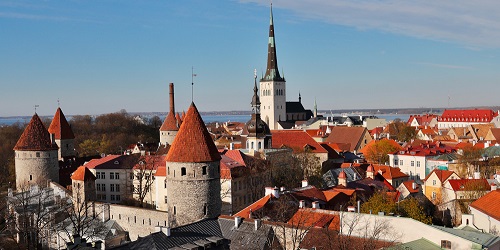
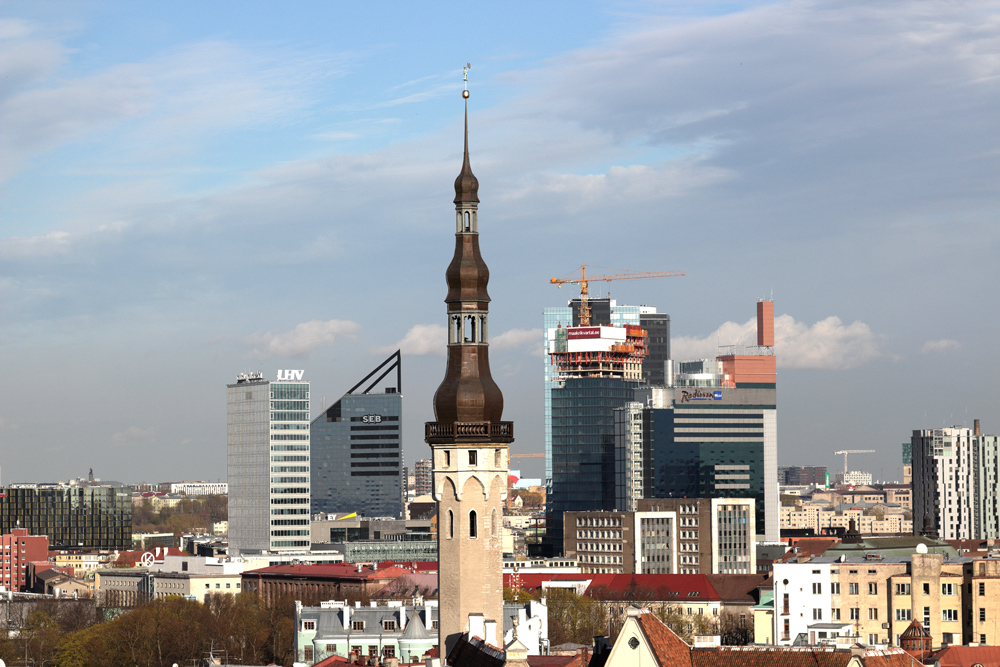
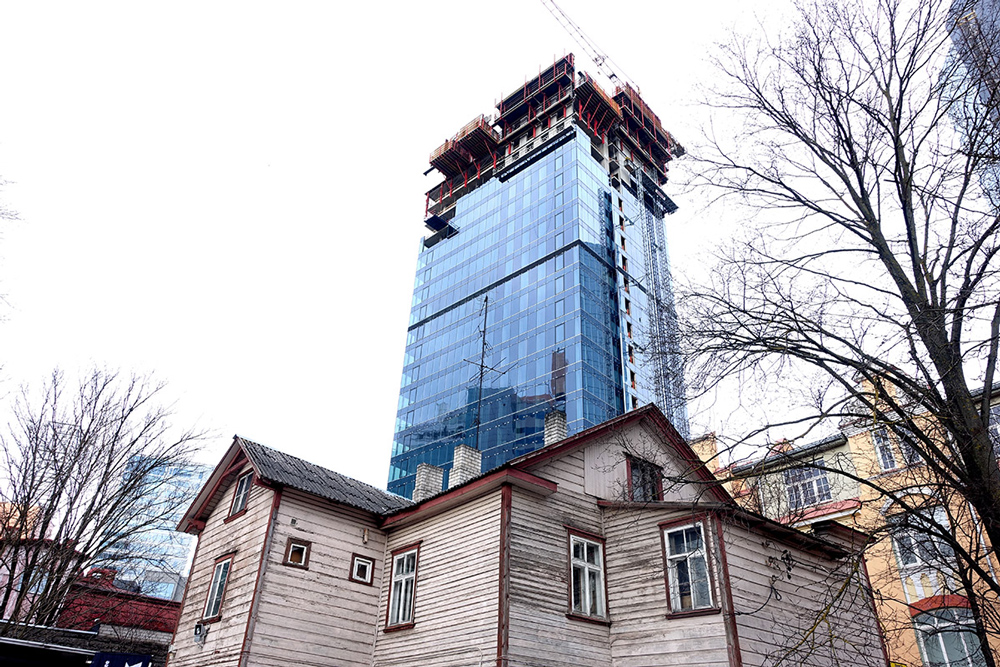
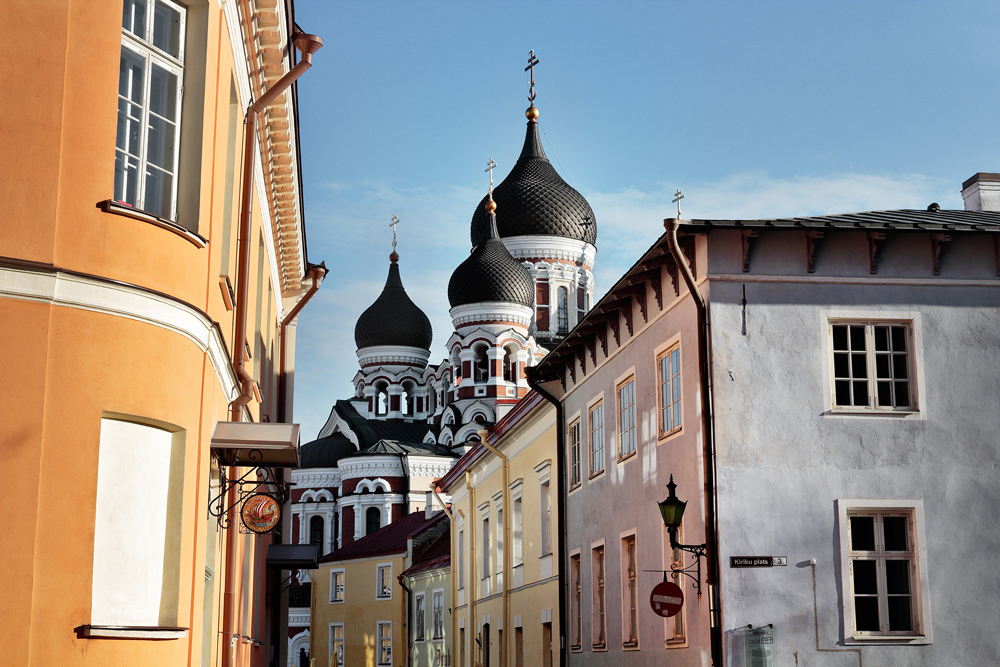
Upon arriving at Tallinn Airport, I was very surprised by its small size: there were only two runways and one gate for arrivals. In Estonia, ferry traffic dominates over air traffic and is Estonia's main international hub. On the way to our accommodation, we first drove past large-scale corporate headquarters and shopping centers, into a dense forest of modern all-glass skyscrapers. While the lower floors of some buildings began with a typical wooden house construction, after the third floor, where one would normally expect a final roof construction, crystal-like glass structures continued another hundred meters upwards. Between the skyscraper giants, I kept noticing ornately decorated wooden Orthodox churches that looked like miniatures in the shadow of the skyscrapers. At the next major intersection, Tallinn's banking district suddenly cleared, giving us a clear view of the old town. It is rare to find such a concentrated contrast of historical architecture in such a small space as in Tallinn.
I did my internship at Labora, which is located under the roofs of the Ukrainian Greek Catholic Church on Laboratooriumi Street, from which the company takes its surname. Labora is a small family business that combines traditional papermaking, printing and calligraphy in its activities. The wealth of experience of these traditions is practiced in the company's own workshops and passed on through workshops. Especially in today's predominantly digitalized age, this form of print production is gaining renewed appreciation.
My projects and tasks at Labora were very varied. From artwork production to the production of my own print project, I was able to gain many new experiences. During the week, the gate of the Ukrainian Cultural Center was open to visitors from all over the world. So it happened that I occasionally led excursions for German-speaking groups but also Russian or English-speaking visitors. This not only regularly presented me with new linguistic challenges, but also enabled me to meet numerous people from all over the world.
Within Tallinn, you can get along very well with the English language. However, this becomes more difficult as soon as you move further outside. Fortunately, I was able to make use of my dusty knowledge of Russian, especially with older generations. The Ukrainian community is the third largest ethnic group in Estonia after the Russians. Culturally, the Western and Eastern worlds collide in Estonia, as well as in other Baltic states. Estonia strives for a modern and very Western image. This is especially noticeable in the good mobile phone network. As a rule, one has Internet access everywhere - even in the deepest moorland - without any problems. Even with the Estonian ID Card, Estonia is one of the most advanced societies of the digital age. Almost all relevant services are thus united in one card and can be personally accessed online at any time. I myself made use of the Estonian ID to be able to use public transportation within Tallinn free of charge.
My internship lasted from the beginning of April to the end of June and while in Germany everything was already blooming and greening in March, in Tallinn I had to wait until mid-May. At the beginning, the temperatures were between -5 and 5 degrees. In mid-May it suddenly became summer and within three days all the bushes and trees were lush green, making the streets almost unrecognizable. Due to Tallinn's location by the sea, summer temperatures are comparable to those on the North Sea: usually between 18 and 23 degrees. With the arrival of summer, the days became longer and longer. In the period around June 24, it practically does not get night at all. Therefore, especially during this time, many public events take place in and around the old town.
Before my trip to Estonia, I had great expectations about the food there and I was not disappointed: because Estonian cuisine has many delicious and hearty dishes to offer. During the lunch break, for example, I had herring with sour cream and onion, accompanied by a beetroot salad and typical Estonian bread. Especially the Estonian brown bread "Rukkileib" is highly recommended. I would not have thought, however, that food is so expensive. Hygiene articles are also much more expensive compared to Germany, while the prices in restaurants, bars and pubs are comparable to those in Düsseldorf or Cologne.
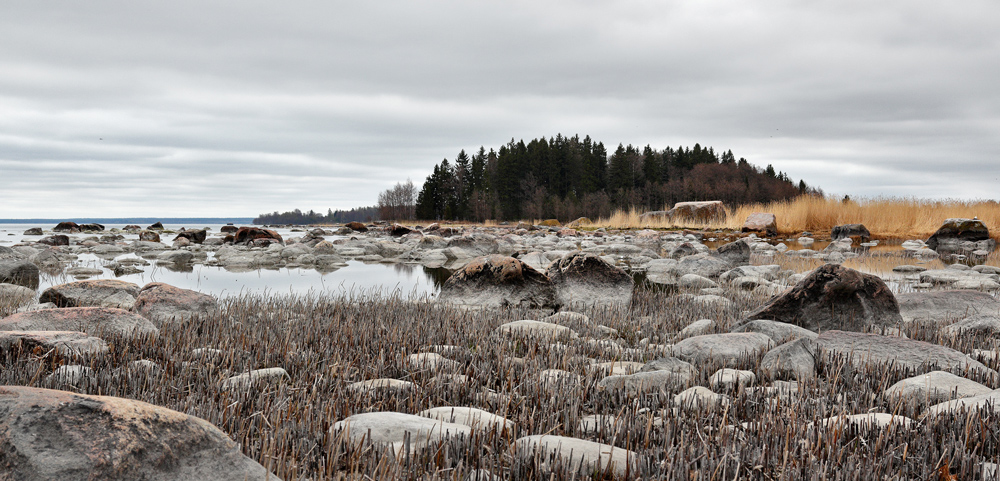
On free days, I used the time to explore as much of Estonia as possible. Of course, it is very easy to travel from Tallinn by ferry to other countries and cities such as St. Petersburg, Helsinki, Stockholm or Riga. However, I wanted to fully concentrate on Estonia during my exploration tours. With the Railtrain you can get very comfortably for only 11 Euro within about 2 hours to the easternmost city Narva. But also Tartu - known as "the student city" - is highly recommended. As a student you can use different traditional printing presses in the Trüki- Muuseum for free. Pärnu is also worth a visit because of its beautiful beaches. Furthermore, there are several national parks in Estonia, which were founded to protect the unique Estonian nature. The "Läänemaa Suursoo" near Haapsalu or the Lahemaa National Park not far from Tallinn offer impressive moor landscapes.
I was very lucky with the location of my company. Because the company was housed in the Ukrainian cultural center, I was able to quickly establish new contacts with both Ukrainian community members and Estonians. Almost every weekend there were events where people cooked and ate together but also concerts were given in the courtyard. After the three months I became very fond of the people there, so that I would like to come back as soon as I can.
I can highly recommend everyone to use the time during their studies to make their own experiences abroad, because the impressions and experiences last a lifetime.